Institution Tag: Stage
Theater
Thikwa e.V.
About us
The Project
FairChange Thikwa
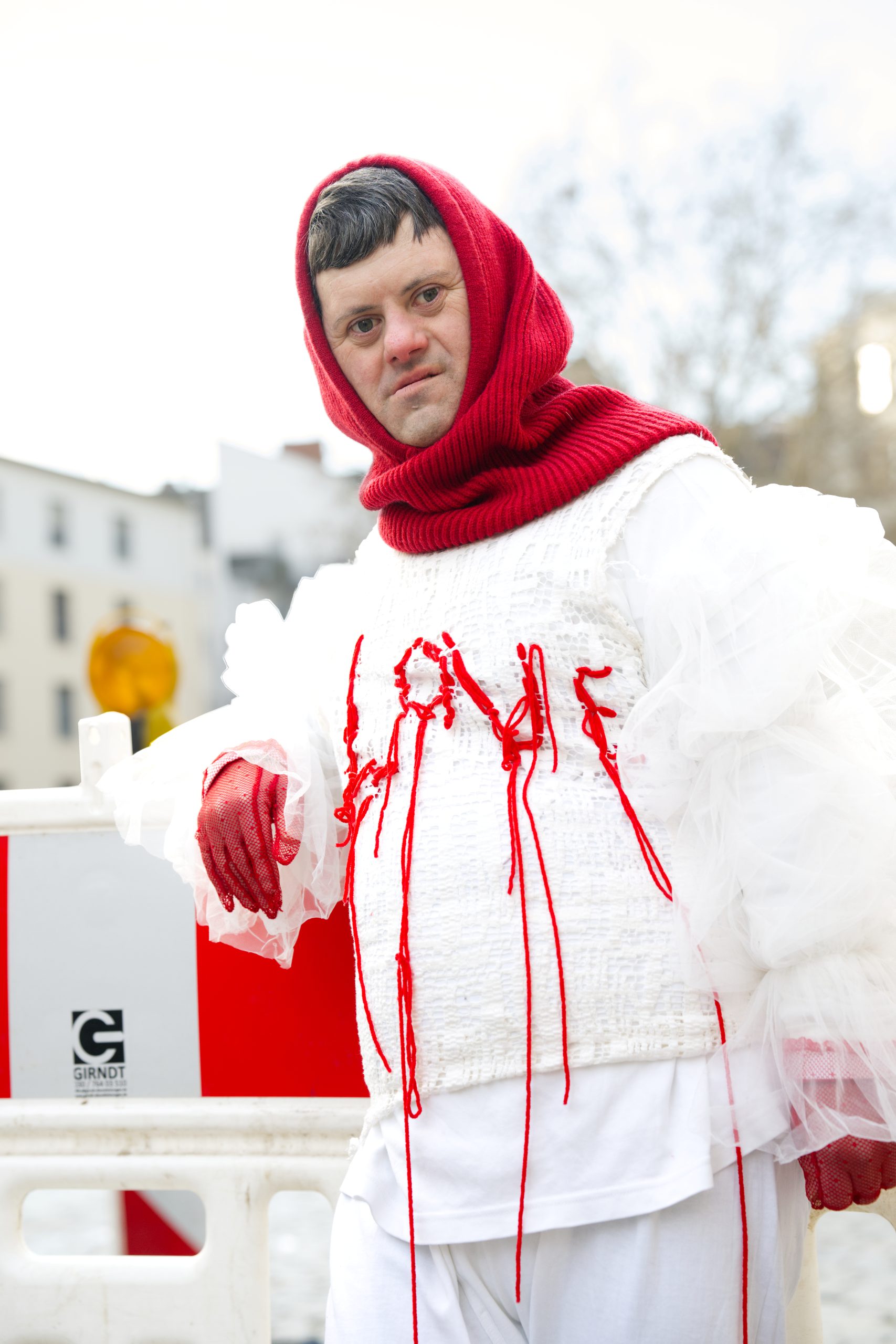
Theater Thikwa faces the urgent task of creating long-term perspectives for its artists with disabilities – beyond systemic limitations. Current conditions, such as the workshop model or unclear funding prospects, make fair pay, participation, and individual development difficult. At the heart of the project lies the question: How can artistic work and fair compensation for disabled artists be shaped in a needs-based and sustainable way? Building on an initial assessment, two pilot projects will be developed – one aimed at advancing the workshop model with greater flexibility and access to the regular labor market, the other focused on testing an alternative cooperation model with new partners. The goal is to find new ways for talents from inclusive contexts to contribute effectively to municipal and state theaters, the independent arts scene, and educational work – supported by structures that are open and permeable.
Contact
Theater
Bremen
About us
Project
Be involved – Your Theater of the Future
What happens when a theater opens itself up to the city – not just as a stage, but as a space for shared creation?
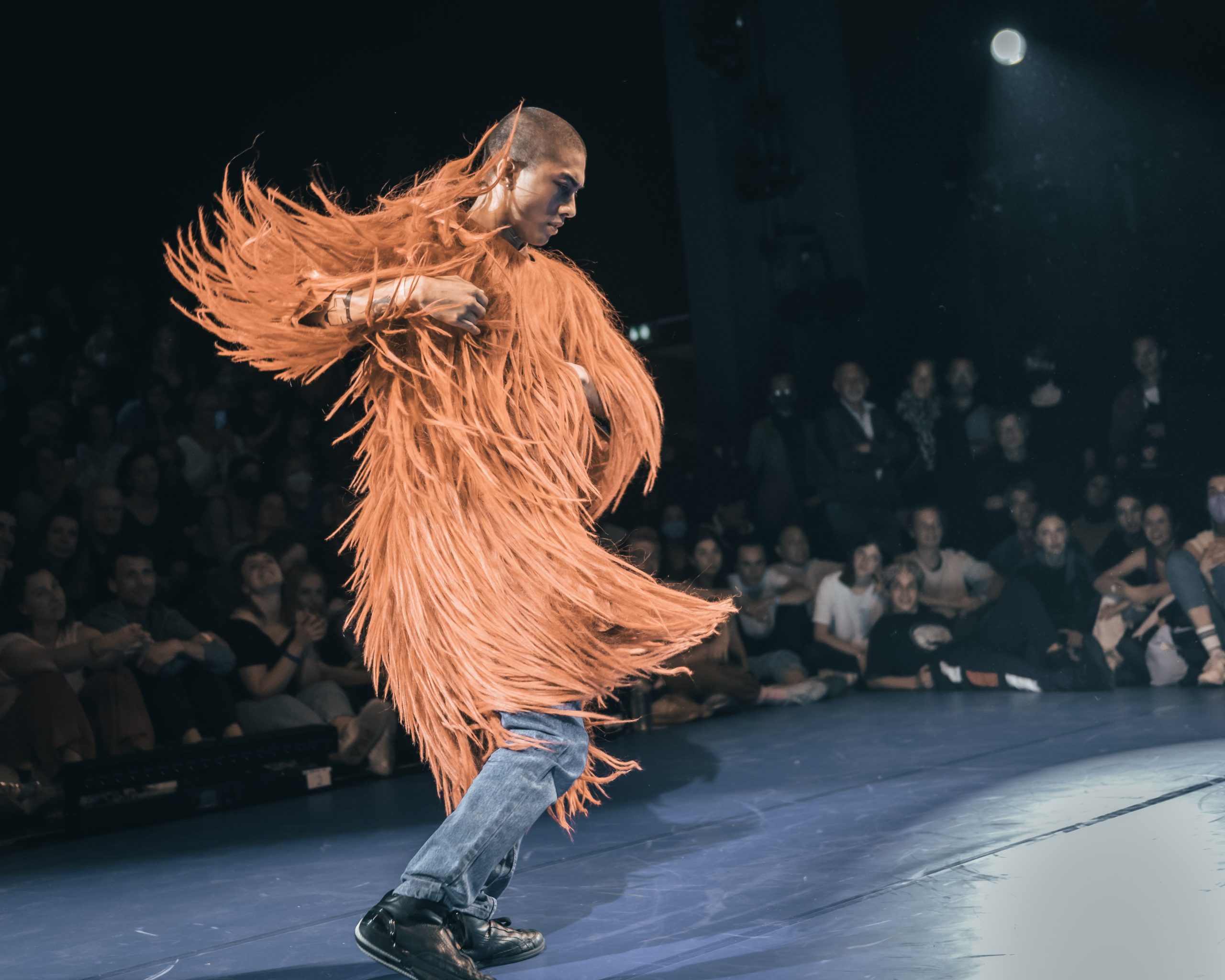
Theater Bremen is reimagining the institution beyond the bounds of professional productions – as a participatory space for shaping urban society. Building on its wide-ranging experience with participatory projects and networks across different neighborhoods, the theater aims to transform temporary formats of civic involvement into lasting structures.
The key question is: How can a theater open up its artistic, technical, and spatial resources to everyone? How can co-determination – through citizens’ advisory boards or collaborative programming, for instance – be firmly embedded in the institution?
The ultimate goal is to create a model for a theater that doesn’t just welcome people in, but actively involves them – as equals, in meaningful and lasting ways.
Contact
Puppen
theater
Magde
burg
About us
Project
Future p. – Tradition Meets Innovation in the Age of AI
How can traditional puppet theater gain new relevance through the use of modern technology – for younger audiences, for the city, for the future?
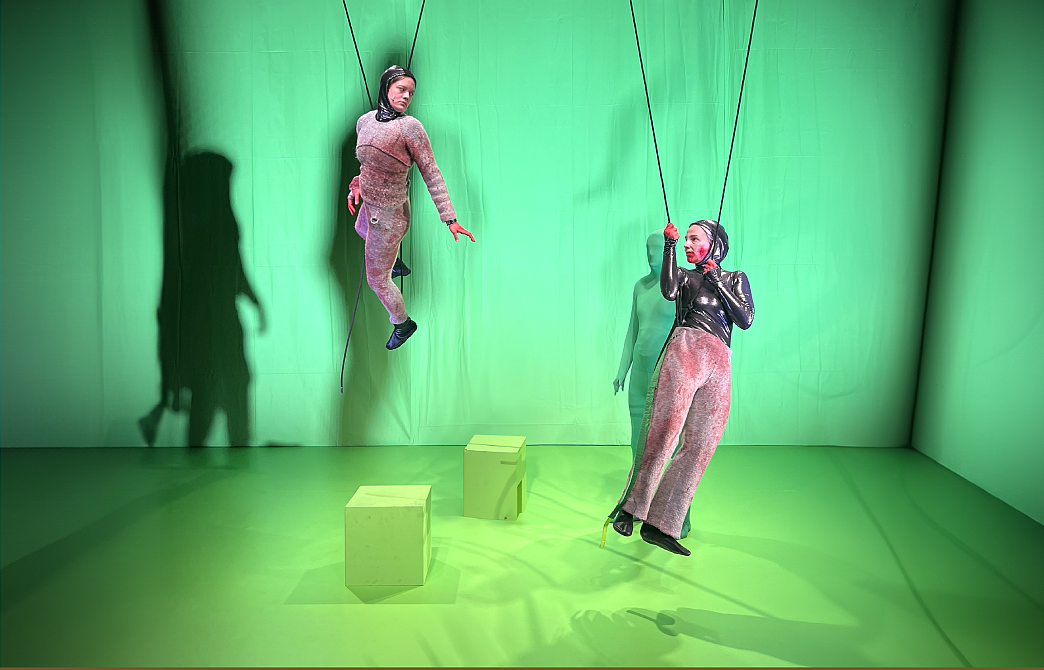
Puppentheater Magdeburg and the Industrial Design Department at Magdeburg-Stendal University are joining forces to explore new directions. At the heart of the project is an interdisciplinary fusion of art, craftsmanship, and technology: using 3D printing, robotics, and digital media to innovate puppet-making, reimagine the theater experience, and present the puppet collection in new and engaging ways. But this is about more than just technological advancement. It’s about developing new forms of cultural education – especially for children and young people. Together with students and experts from various fields, the project is creating a model for how cultural institutions can become an integral part of a digital, connected, and sustainable urban society.
Contact
Tanzfabrik
Berlin e. V.
About us
The Project
Uferstudios 2208
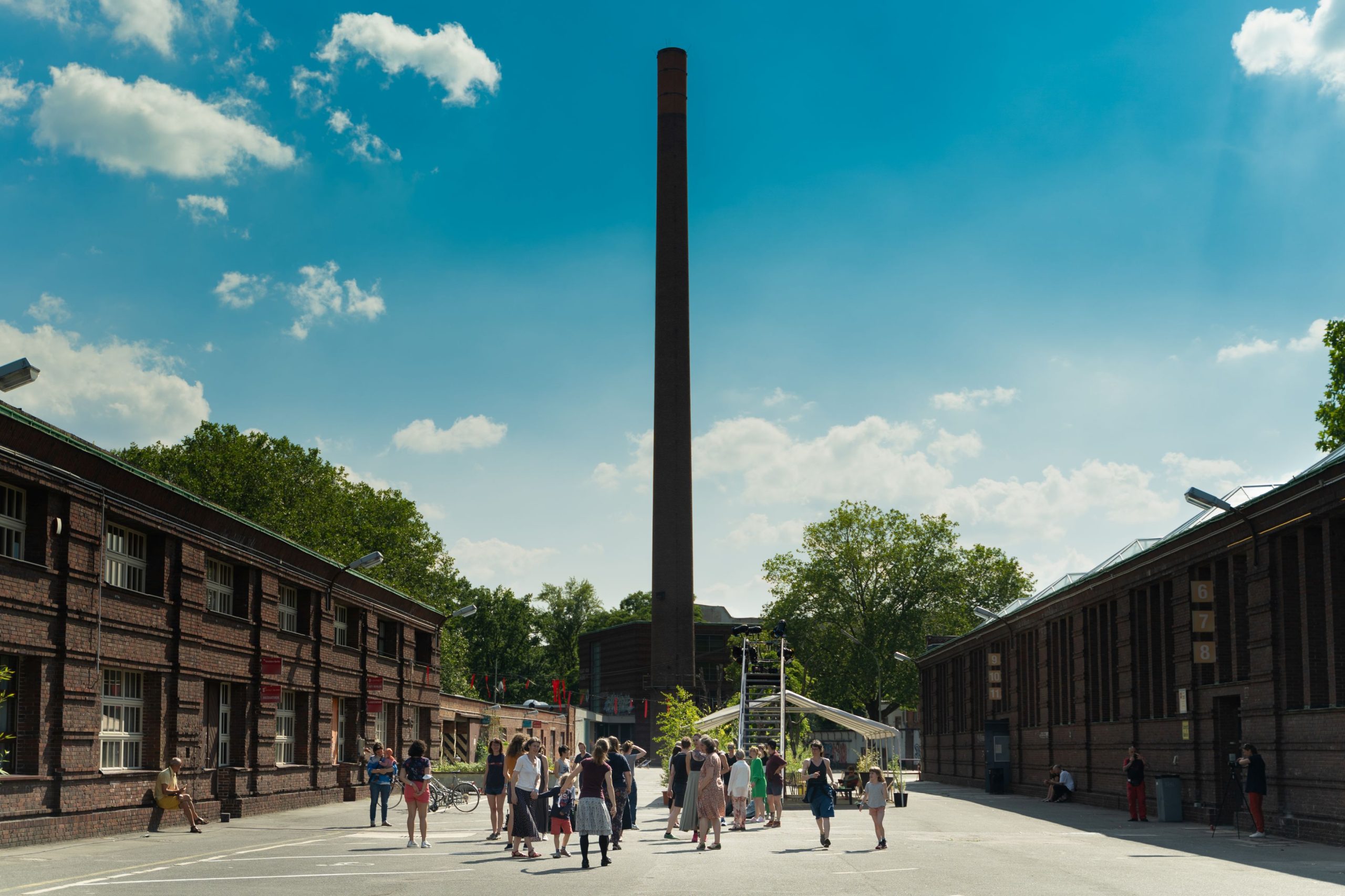
The collective rehearsal and performance space Uferstudios is at a turning point. The desire for a sustainable organisational structure has long been present, but the intensity of day-to-day operations has so far left little room for strategic reflection and long-term planning. The current orientation phase aims to open exactly this space. At the core is engagement with upcoming changes, internal guiding questions, and the expectations of external partners. This is not just about structural stability, but about an open, pluralistic transformation that also allows for the unexpected. How can a flexible, decentralised structure respond to change without losing resilience? This question is central to the process, which also considers new legal and organisational forms as well as collaborative models.
Contact
Jacopo Lanteri
Neuköllner
Oper
About us
The Project
Opera for Neukölln
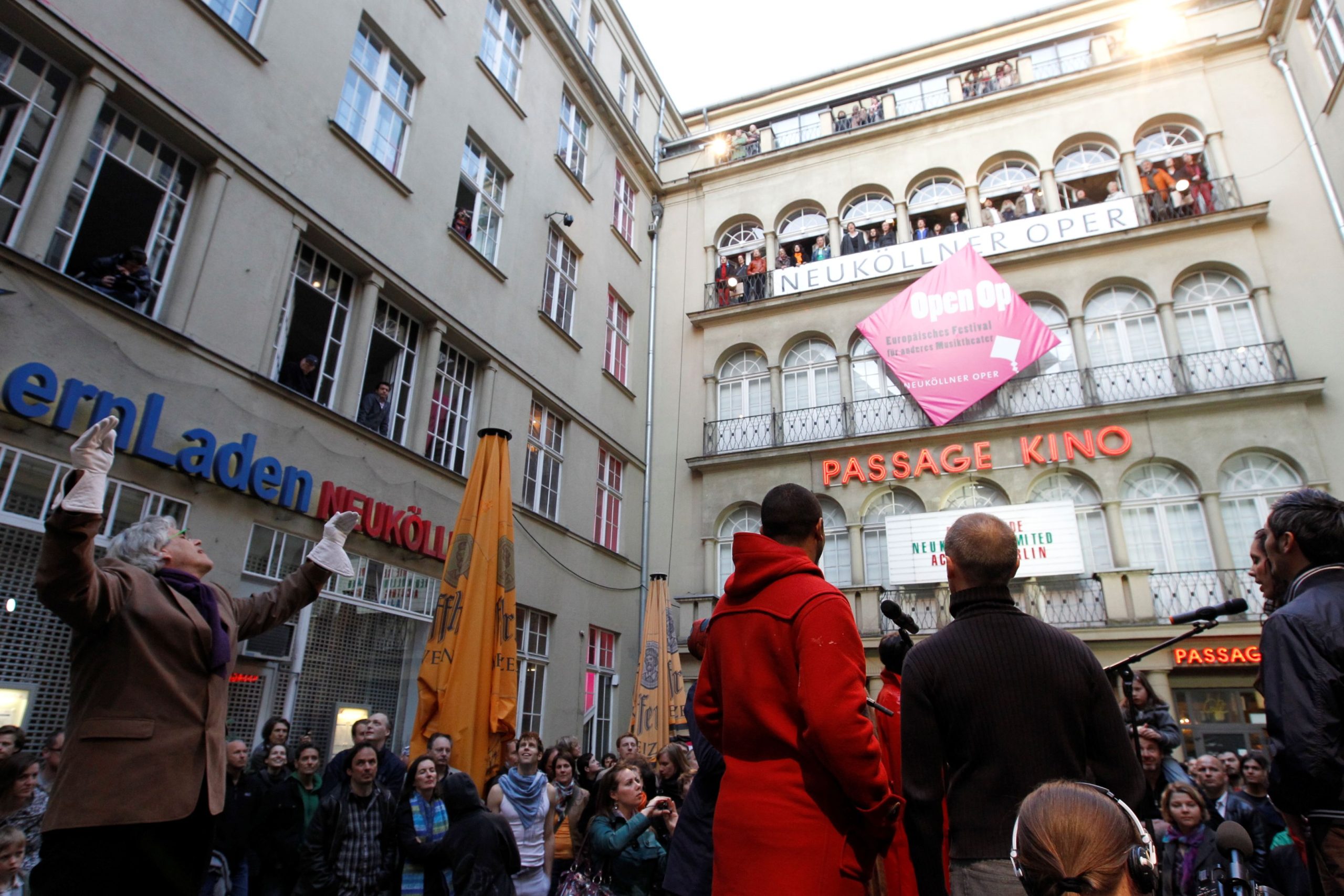
How can a music theatre become a place where people from the neighbourhood truly see themselves reflected? The Neuköllner Oper wants to tackle this question head-on and answer it together with local communities. Early collaborations with schools, neighbourhood initiatives, and cultural organisations were important steps but have not yet led to lasting change for the house. The programme now provides the space to engage openly and with time: with convenience stores, gyms, cultural associations, cafés – with everyone who shapes Neukölln. This will allow initial forms of collaboration to grow organically from within, rather than being imposed from outside – showing that this house belongs to everyone. Together, needs will be explored, first partnerships tested, and new ways of working developed. The aim is an opening that is not merely symbolic, but that transforms the house in its structure, programme, and connection to the district over the long term.
Contact
Stadt
theater
Fürth
About us
The Project
Stadt Theater Plus – Sustainable Structures for Continuing Performance
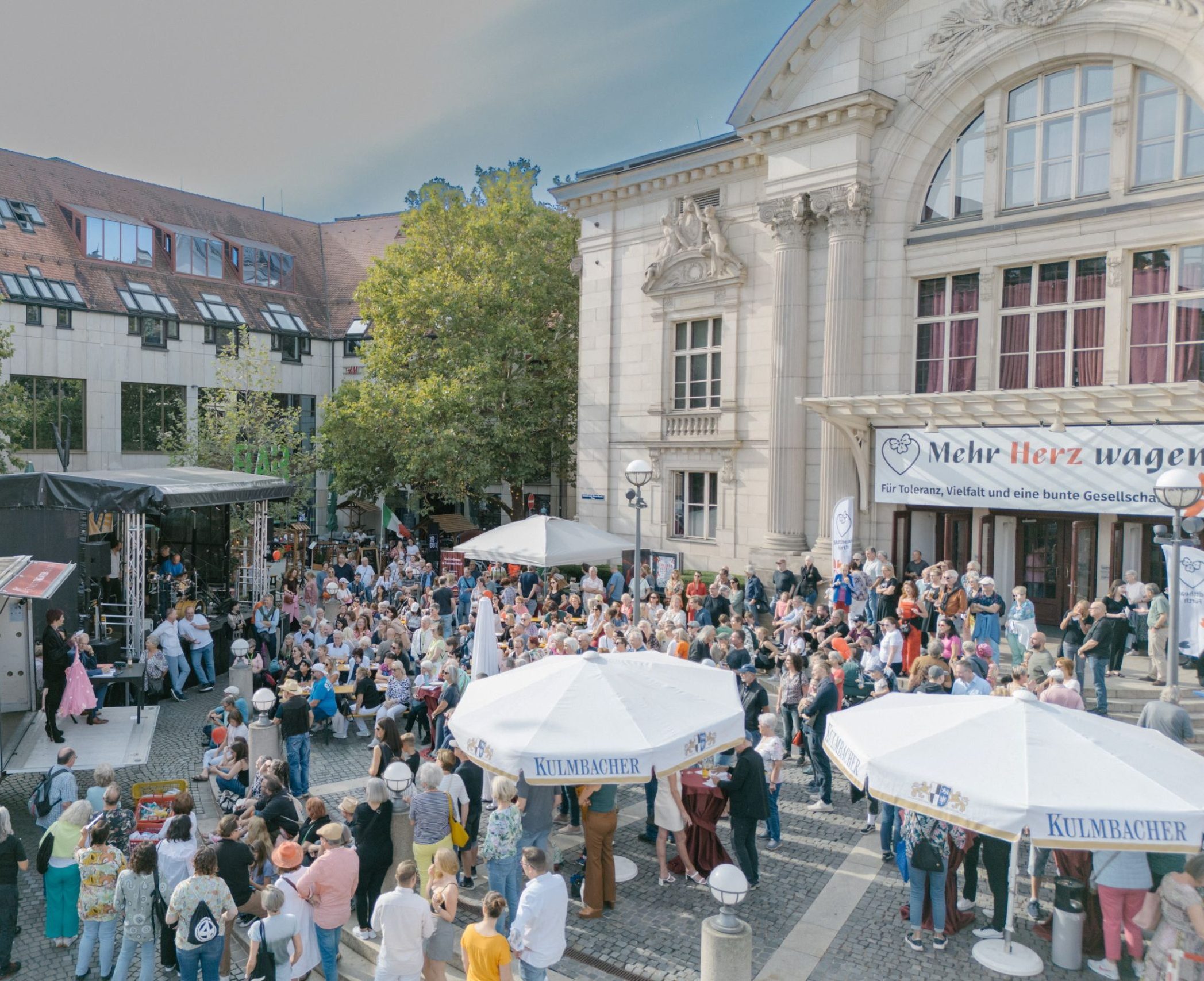
The Stadttheater Fürth is developing a new model for mobilising and distributing theatre productions as a fourth pillar of the house, a “Stadttheater Plus Land.” The plan includes building a network of theatres, especially touring venues, that can benefit from this structure and actively participate – along with the infrastructure and logistics needed to enable touring productions from Stadttheater Fürth. The focus is on the efficient use of existing resources, supporting theatre offerings in rural and regional areas, and improving working conditions for visiting artists. The project is also guided by a research-based motivation: the director brings her extensive study of touring theatre into practice, aiming to establish a new form of cooperative, mobile city theatre that strengthens cultural participation in a sustainable way.
Contact
Theater
Ober
hausen
About us
The Project
Satellite Good Hope
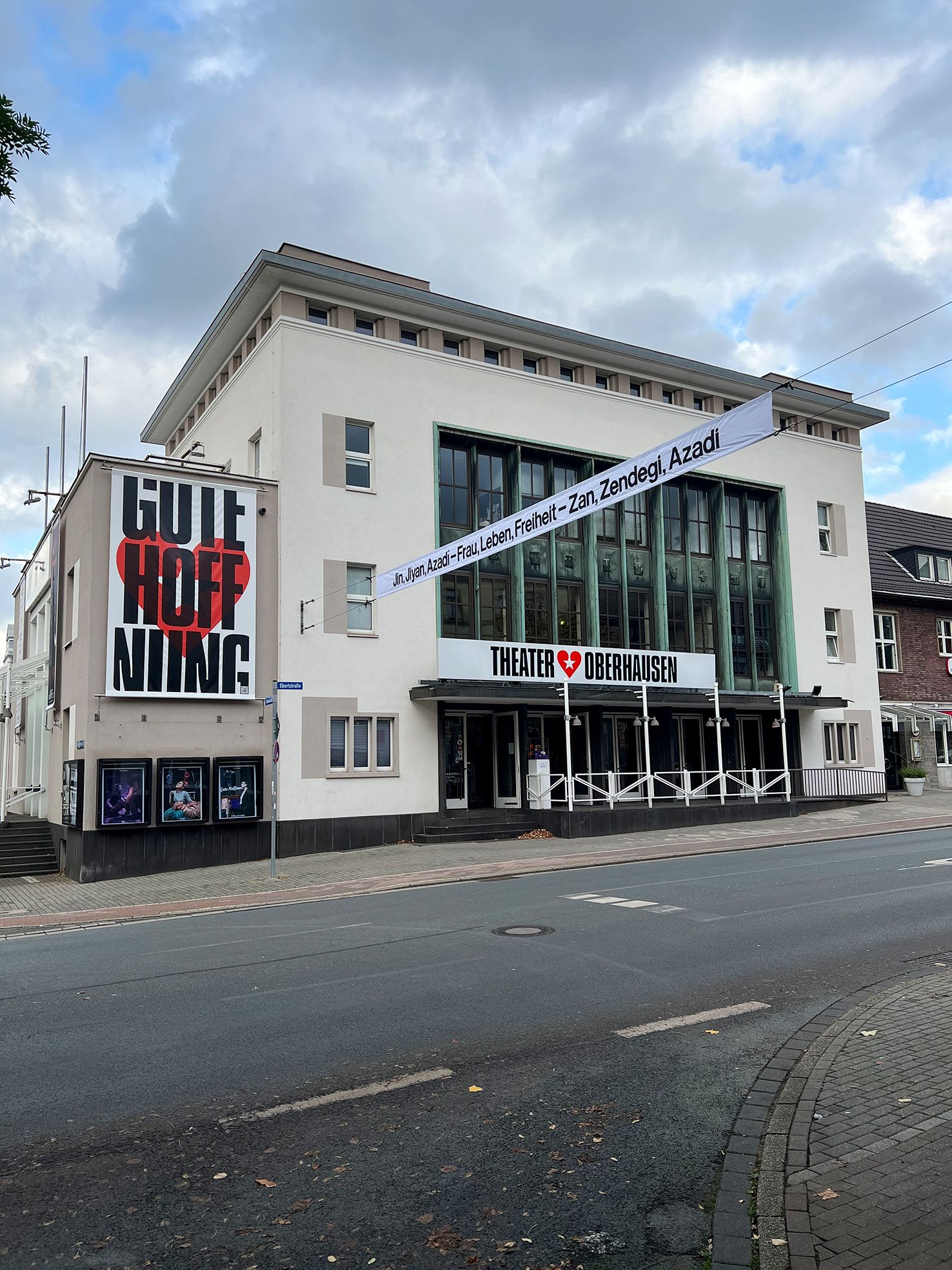
How can theatre get closer to the everyday lives of the city’s residents – especially in places where it has rarely reached before? Theater Oberhausen is developing a concept for a mobile “satellite” that brings artistic productions, participatory formats, and local collaborations directly into neighbourhoods. The goal is a flexible space for performance and reflection that connects with local clubs, community initiatives, or temporary-use projects, bringing theatre into new (relational) spaces. This is not about one-off interventions, but about creating a structural presence in the city. The satellite is part of the overall programme, linked thematically to the main season, and will be developed together with local partners. The vision: theatre as a unifying force in urban life.
Contact
FUNDUS
THEATER

About us
The Project
Competence Center for Child Participation and Intergenerational Dialogue
What is needed to ensure that children are not only addressed in theater, but genuinely involved? FUNDUS THEATER takes this question seriously – and, drawing on its many years of experience, plans to develop a competence center for child participation and intergenerational dialogue. Together with both local and national partners, they are embarking on an open process: How can structures be created that embed children’s perspectives not only in individual projects, but on a lasting basis? In collaboration with universities, the German Child Protection Association, the City of Hamburg, FELD Theater, and not least its own children’s advisory board, FUNDUS THEATER aims to develop a model for real participation – positioning itself as a learning, researching institution carried equally by children and adults.
Contact
National
theater
Mannheim
About us
The Project
Return as Departure and New Beginning. Rethinking the Municipal Theatre Principle
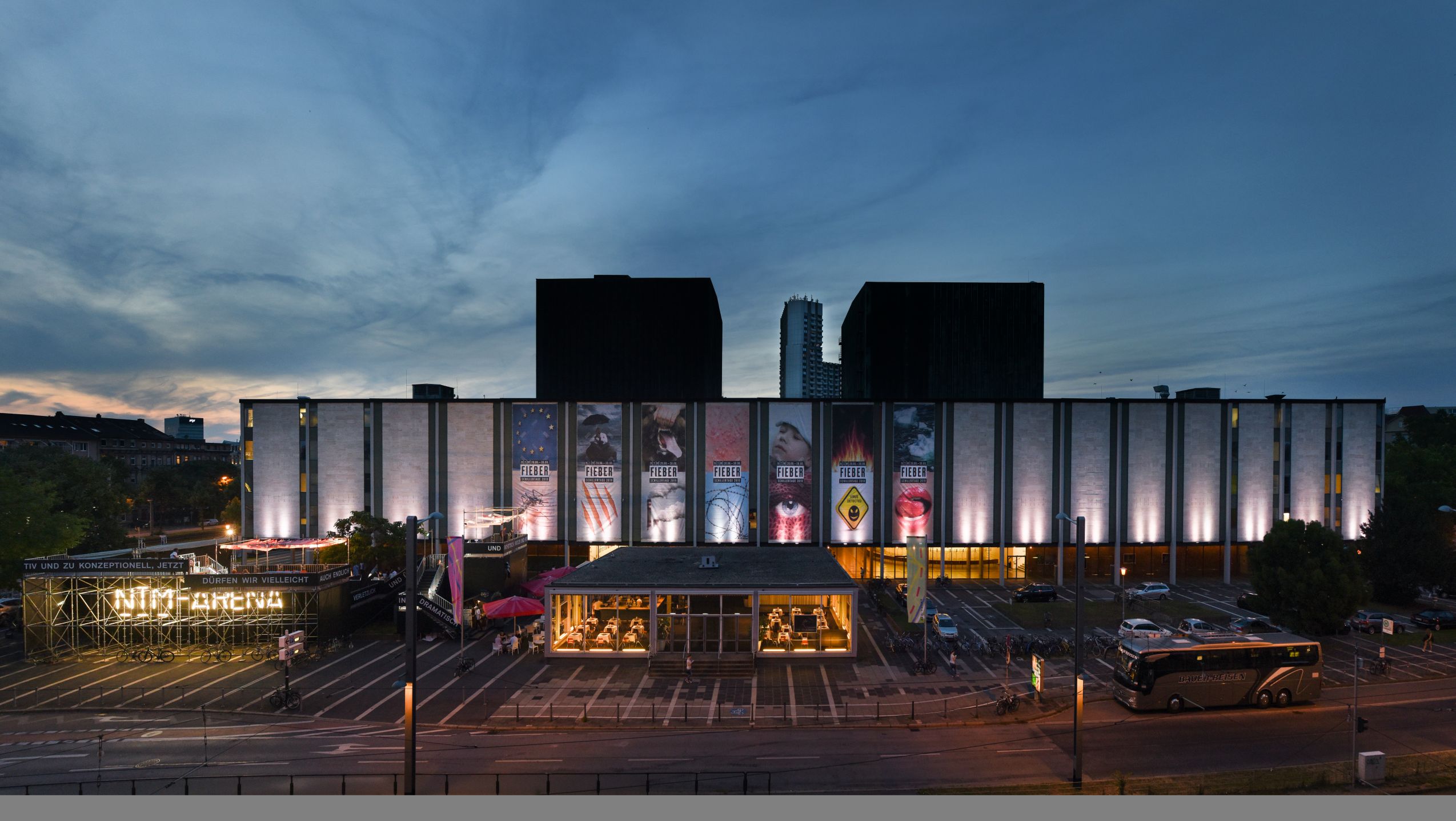
The Nationaltheater Mannheim is reimagining the very principle of the municipal theatre – not only as a producing house and a place of artistic excellence, but also as an open cultural centre for a diverse urban society. The upcoming return to the main venue after six years of comprehensive renovation offers a unique opportunity to realign structures, working methods and partnerships. The theatre’s architecture enables greater collaboration; new forms of encounter with the city’s people are planned in the foyer and on the forecourt. The goal of the project is to develop a long-term operational model for the Nationaltheater. To achieve this, the organisation will be analysed and external expertise brought in. Together with partners from education, socioculture and the social sector, new formats and uses will be developed to make the house more accessible and appealing to a wider audience. The vision: a future-oriented theatre that more closely connects art and society.
Contact
Sophie Kara-Ebner
Volks
theater
Rostock
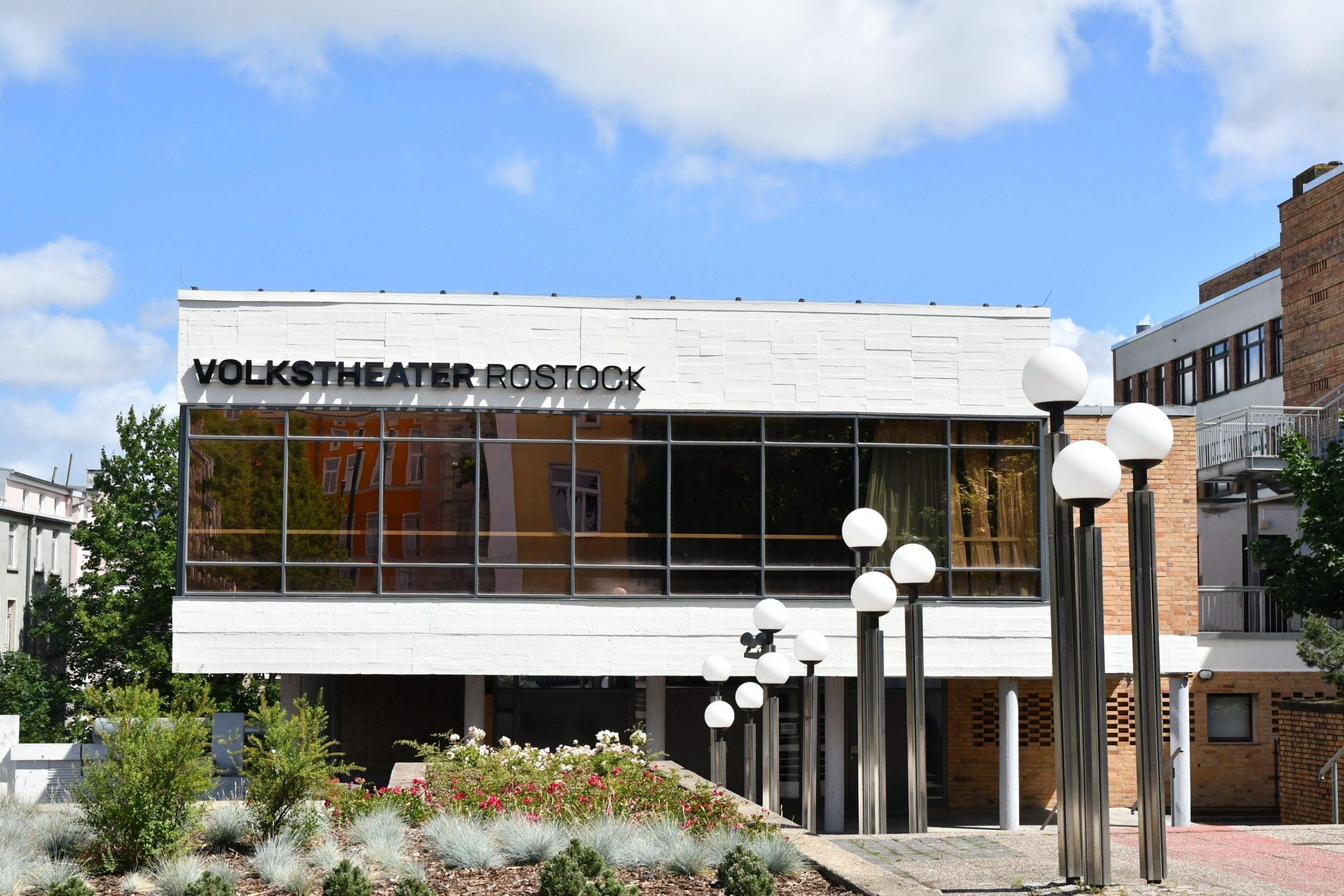
About us
The Project
KlangBrücke (into Übermorgen)
A choir that is more than just a musical body, but a resonance chamber for social change: Volkstheater Rostock is rethinking choral work as the starting point for a structural opening of the institution. Increasing cultural diversity calls for a more inclusive, permeable understanding of the ensemble – both in terms of personnel and programming. In a prototype model project, alternative organisational forms for an “extra-choir of tomorrow” are being explored: with hybrid membership, stronger anchoring in society, and collaboration between professional and semi-professional singers. The aim is to develop new artistic formats, incorporate previously unheard perspectives, and reach new audiences. Potential partnerships with other institutions – such as theatres, associations or churches – are also being considered.