Institution Tag: Museum
Kunst
sammlungen
Chemnitz
About us
The Project
Freedom(space) Utopia: New Cultural Spaces for Tomorrow (working title)
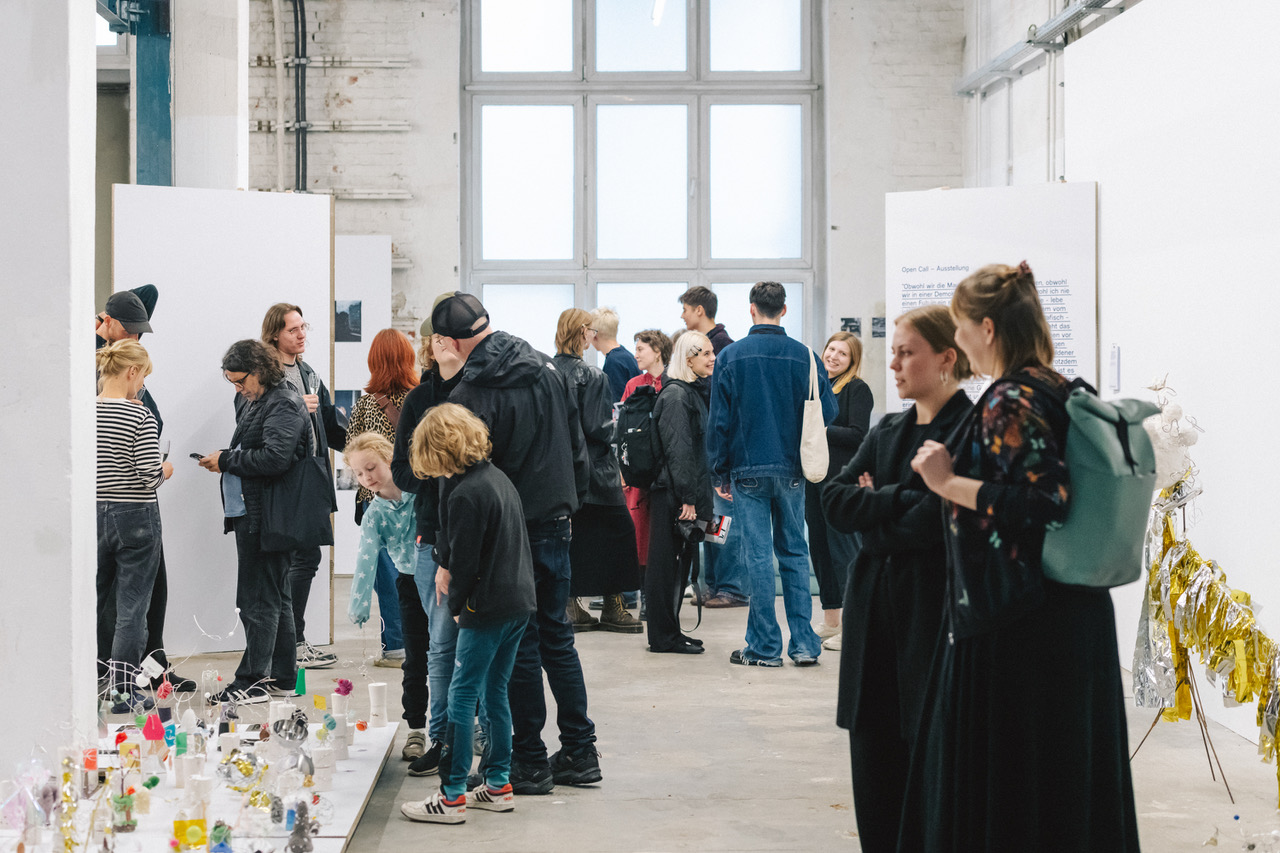
As the largest municipal museum network in Saxony, the Kunstsammlungen Chemnitz – Chemnitz Art Collections – not only serve as a model, but also as an example to follow. They aim to strengthen their role as a regionally rooted, forward-looking museum network. The focus is on building a shared culture of knowledge together with the independent arts scene and other partners – as a response to social polarization, digital upheavals, and the desire for participation beyond traditional exhibition practices.
This involves questioning the usual ways of doing things: how spaces and materials are used, and how responsibility and hierarchies are distributed. In this way, the museum is being reinforced as a socially and democratically engaged place for audiences of tomorrow and beyond.
Contact
Deutsches
Hygiene-
Museum
Dresden

About us
The Project
Opening Time: The DHMD in Transformation
Faced with social polarization and financial uncertainty, the Deutsches Hygiene-Museum Dresden is using the challenges of our time as a stimulus for profound change. With a long-term strategy, the museum aims to evolve from a purely curatorially-focused institution into a space that increasingly prioritises participation and diversity. To achieve this, opening processes will be structurally embedded, and sustainable alliances with the city’s community and national partners will be built. In this way, the museum is transforming into a multi-voiced forum for social dialogue – open, accessible, and future-oriented.
Contact
Museum
der
bildenden
Künste
Leipzig

About us
The Project
What’s Missing: Relationships as a Tool for the Museum’s Future
The Museum der bildenden Künste Leipzig – Museum of Fine Arts Leipzig – is rethinking its role as an institution. At the heart are innovative ways of working, alternative uses of space, and above all, relationships of trust that foster belonging and relevance.
Three themes come into particular focus: participation, art from the GDR, and the building itself. The museum’s striking architecture becomes a space of resonance, and the collection is seen as an opportunity to connect more closely with the city’s community and to invite people to co-create.
The vision: a relationship-oriented art museum for a diverse urban society – one that invites cooperation and enables sustainable connections with people, with history, and with art.
Contact
Histori
sches
Museum
Frankfurt
About us
The Project
Commoning the Museum: City Museums for a Socially Just Society
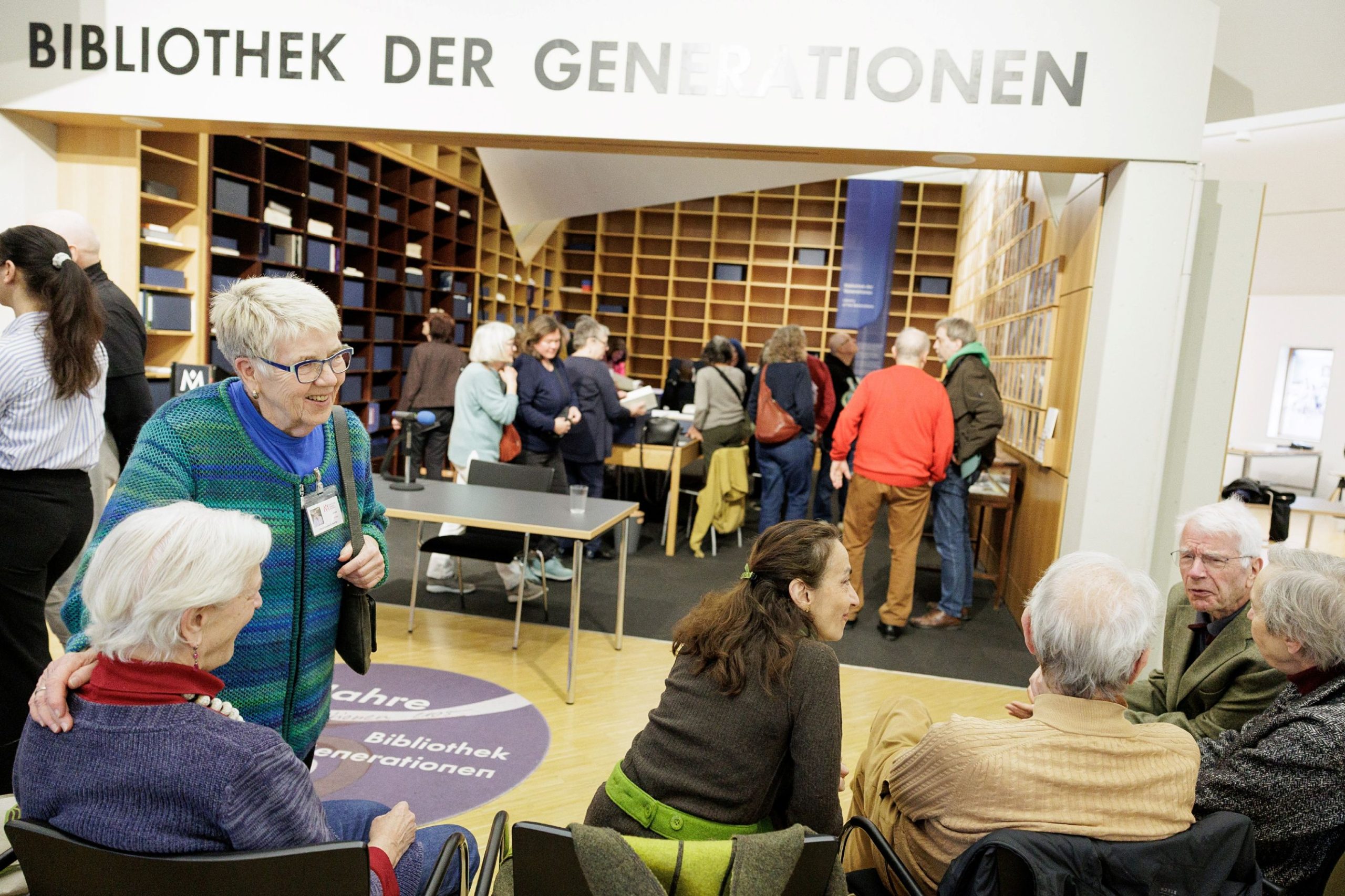
How can museums convey a multi-voiced and inclusive historical culture amid the pressures of radical political forces? The Historisches Museum Frankfurt and Stadtmuseum Dresden are embarking on a journey to open museums as spaces for social cohesion, actively engaging audience groups that have previously been underrepresented. This raises the question: what constitutes historical culture – and how can a clear vision of it help to strengthen democratic values such as plurality and inclusion?
Collaborative learning, new forms of cooperation, and the considered use of digital technologies, including artificial intelligence, aim to create new spaces of possibility: for shared decision-making, creation, and exchange – in line with the guiding principle of “commoning the museum.”
Contact
Focke-
Museum

About us
The Project
freiSTIL – Co-Creative Work in History Museums
The Focke Museum in Bremen is using its current structural expansion as an opportunity for fundamental change: in future, the museum and a citizens’ forum are to be conceived together – as a place for shared remembrance, discussion, and creation. Within this initiative, values and models for the museum of the future are being developed on a local scale. This raises questions such as: Which perspectives are taken into account in communicating history? How does the museum engage with social controversies? How does it contribute to democratic coexistence?
Through international networking, new impulses for exhibitions and collaborations are emerging. For what the Focke Museum presents reaches far beyond Bremen: regional history here is understood as part of global history – and as a collective task for tomorrow and the day after.
Contact
Kunst
gewerbe
museum
About us
The Project
KGM: Not an Ordinary Museum – Creative Design in Action, Mastering Crises Together, …
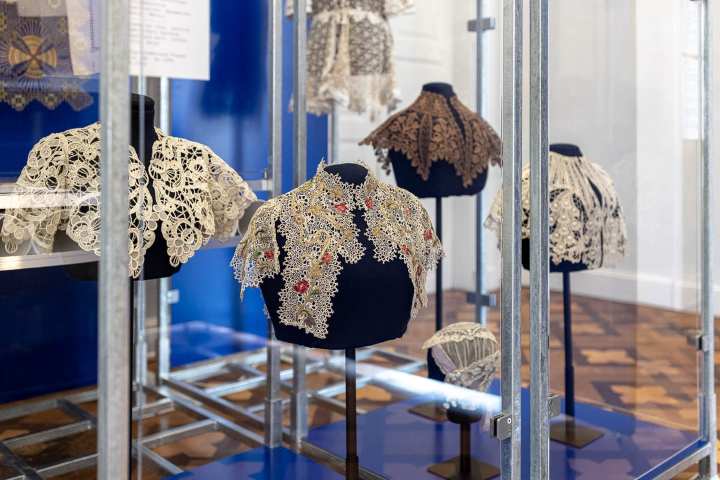
What role can museums play in fostering social cohesion, and how can they contribute to our communal life? This is the central question addressed by the Kunstgewerbemuseum, part of the Dresden State Art Collections. In cooperation with Forecast – a transdisciplinary innovation platform linking the arts and creative industries with other fields of knowledge – the museum is embarking on a process of conceptual, methodological and spatial reorientation. Its focus lies on social participation and knowledge transfer, questioning existing structures and the traditional museological self-image of preservation and administration, while seeking new neighbourhoods and alliances.
Contact
Tanz
Station –
Barmer
Bahnhof
About us
The Project
Dare to Trust / Hosts of the Future – or the Art of Hospitality
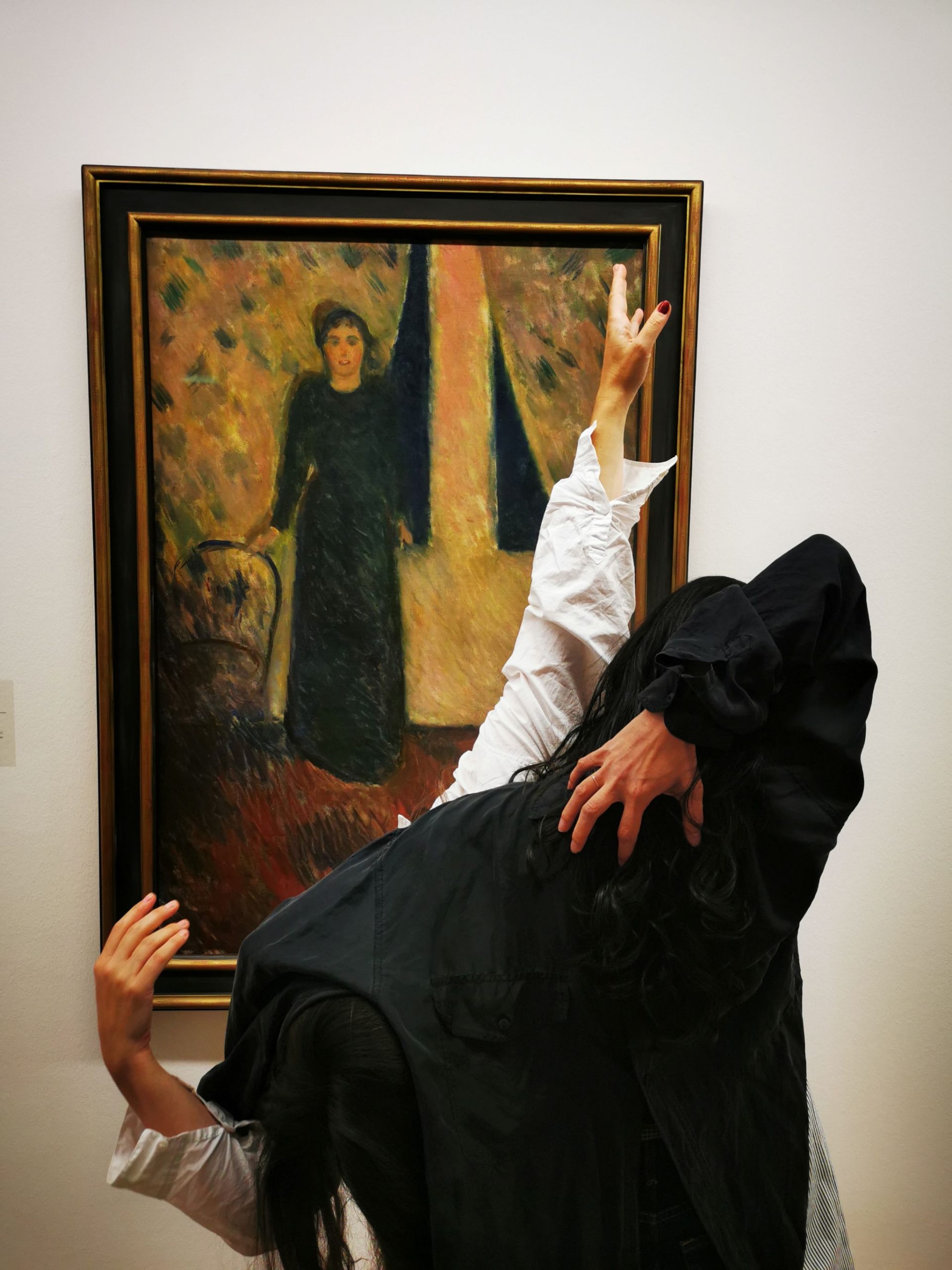
Dance is part of Wuppertal’s identity – but how can the art form truly be made accessible to all citizens? Tanz Station – Barmer Bahnhof seeks to rethink what a cultural institution can be: open, multi-perspectival, and collectively supported. Together with representatives from the city administration, municipal cultural venues, and the independent scene, Tanz Station aims to develop new forms of participation and collaboration, inspired by diverse cultures of hospitality. In this process, the experiences of cultural actors are shared with Wuppertal’s citizens, and cultural institutions are envisioned as spaces that welcome and connect.
Contact
Münchner
Stadt
museum
About us
The Project
No strings attached
New Perspectives for a Museum of Performative Spaces and Collaborative Practices
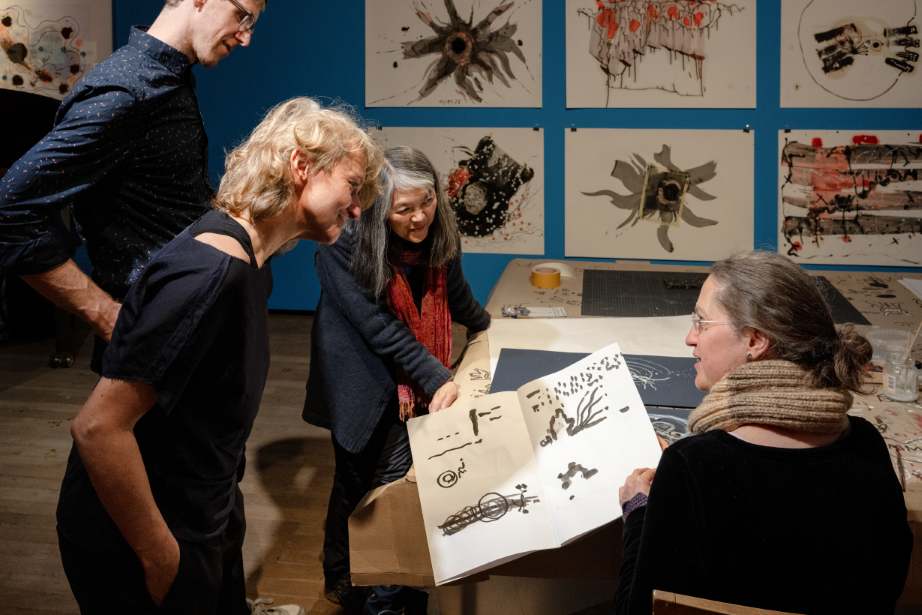
Due to a major renovation, the Munich City Museum is currently closed. Following its reopening in 2031, the museum aims to establish itself as a “third place” – an active, open space for the urban community, including, for example, people affected by classism and families seeking room for creativity and togetherness. The associated comprehensive reorientation is intended, among other things, to reconceive the collections as a resource for empowerment and participation, thereby enhancing the museum’s social relevance. As a starting point, the museum is collaborating with the theatre group El Solar, which incorporates objects and their stories into site-specific performances and productions. Together with the museum, they are engaging with the collections and exploring their gaps, in order to bring about the necessary shift in perspective. As part of a collaborative field study in an area of the city currently under intense gentrification pressure, the team is tracing the histories of socially marginalised groups, everyday life in the courtyards, and the past and present of life beyond the polished façades. Working with local residents, they are developing a joint presentation. The goal is to question established museum narratives, to further develop collection principles, and to test co-curated formats that go beyond traditional exhibition practice, placing at the centre the question of how the collections are interpreted and what they mean.