Institution Category: Municipality
Kulturreferat der Landes
hauptstadt
München
About us
The Project
“Übermorgen” in the Decentralized City?! Culture in Urban Spaces
How can we shape a vibrant and future-ready neighborhood culture in decentralized urban areas?
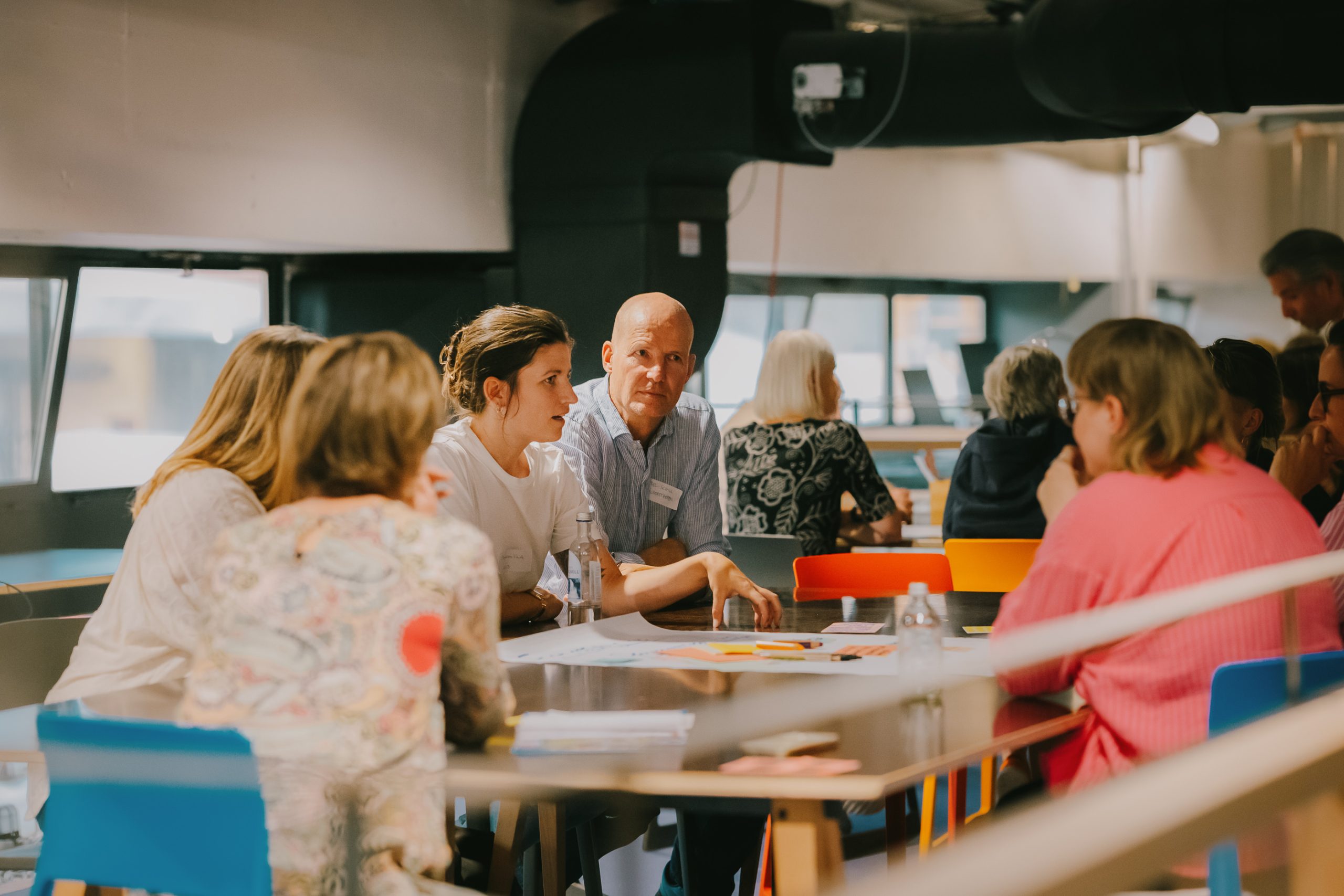
The Department of Arts and Culture of the City of Munich aims to create a compelling vision for the future –navigating the tensions of an impending generational shift and today’s societal challenges. At the heart of the initiative is the question: What changes are necessary and possible to preserve and further develop the city’s network of cultural centers in all their richness and diversity? By bringing together perspectives from academia, organizational development, foundations, and the cultural sector, the goal is to develop a sustainable operational model for cultural centers. At the same time, the project seeks to strengthen national and European networks and open up new paths for collaboration.
Contact
Dagmar Koblinger
Kultur
zentrum
dasHaus
About us
The Project
The Most Beautiful Ugliest City in the World
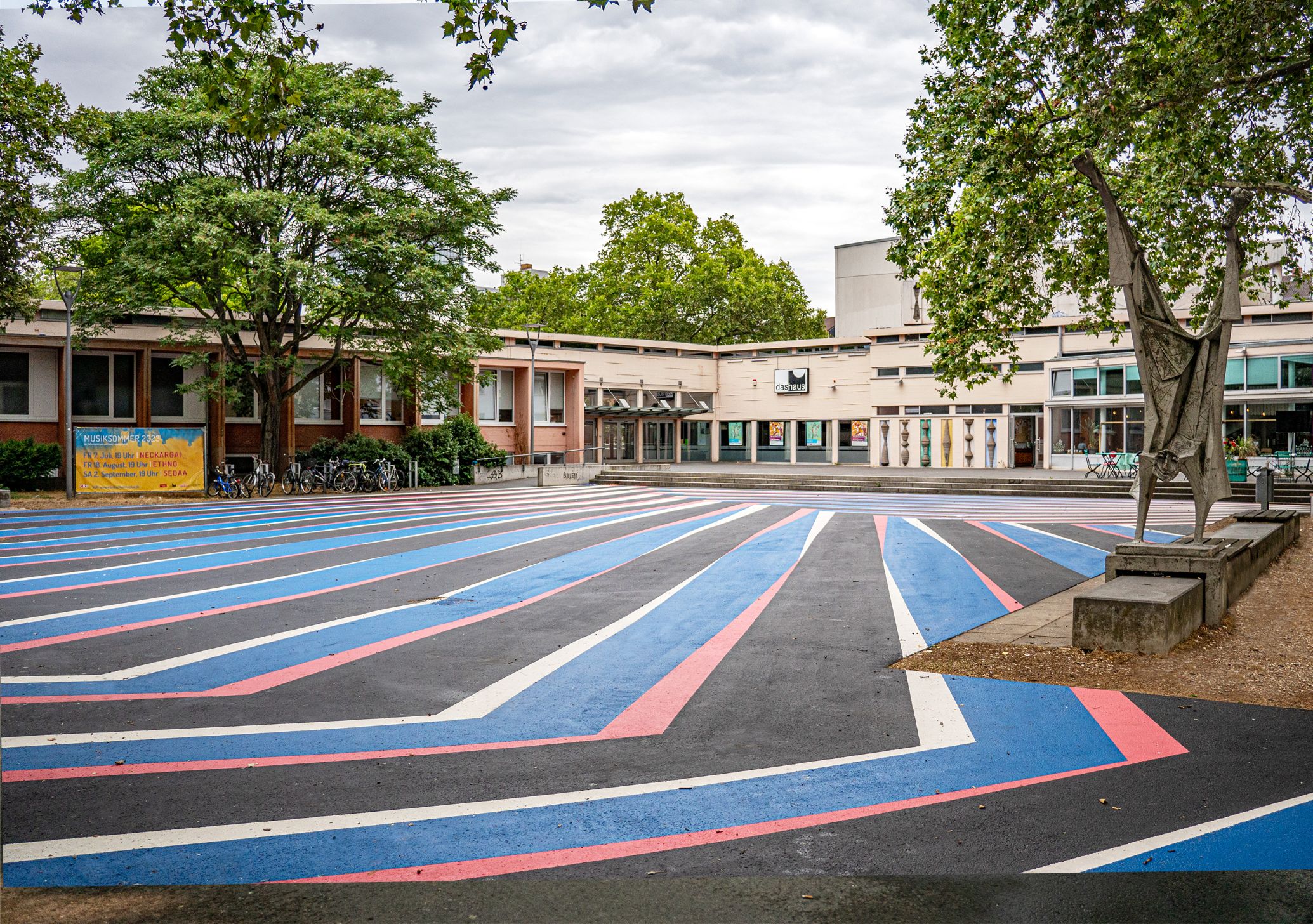
How can municipal cultural institutions become drivers of social renewal in times of multiple crises? The cultural center dasHaus in Ludwigshafen sees both the opportunity – and the necessity – to fundamentally rethink its structures right now. The aim is closer, cross-departmental collaboration and a more efficient use of human, material, and intellectual resources. At the same time, the connection to the urban community is to be strengthened through innovative participation formats that highlight Ludwigshafen’s unique character – also as a model for the region. New partnerships with businesses and the sciences will play a central role: not as sponsorships, but as exchanges on equal footing. The core question is: What can we learn from each other in order to keep moving forward together?
Contact
Stefanie Kleinsorge
Kunst
sammlungen
Chemnitz
About us
The Project
Freedom(space) Utopia: New Cultural Spaces for Tomorrow (working title)
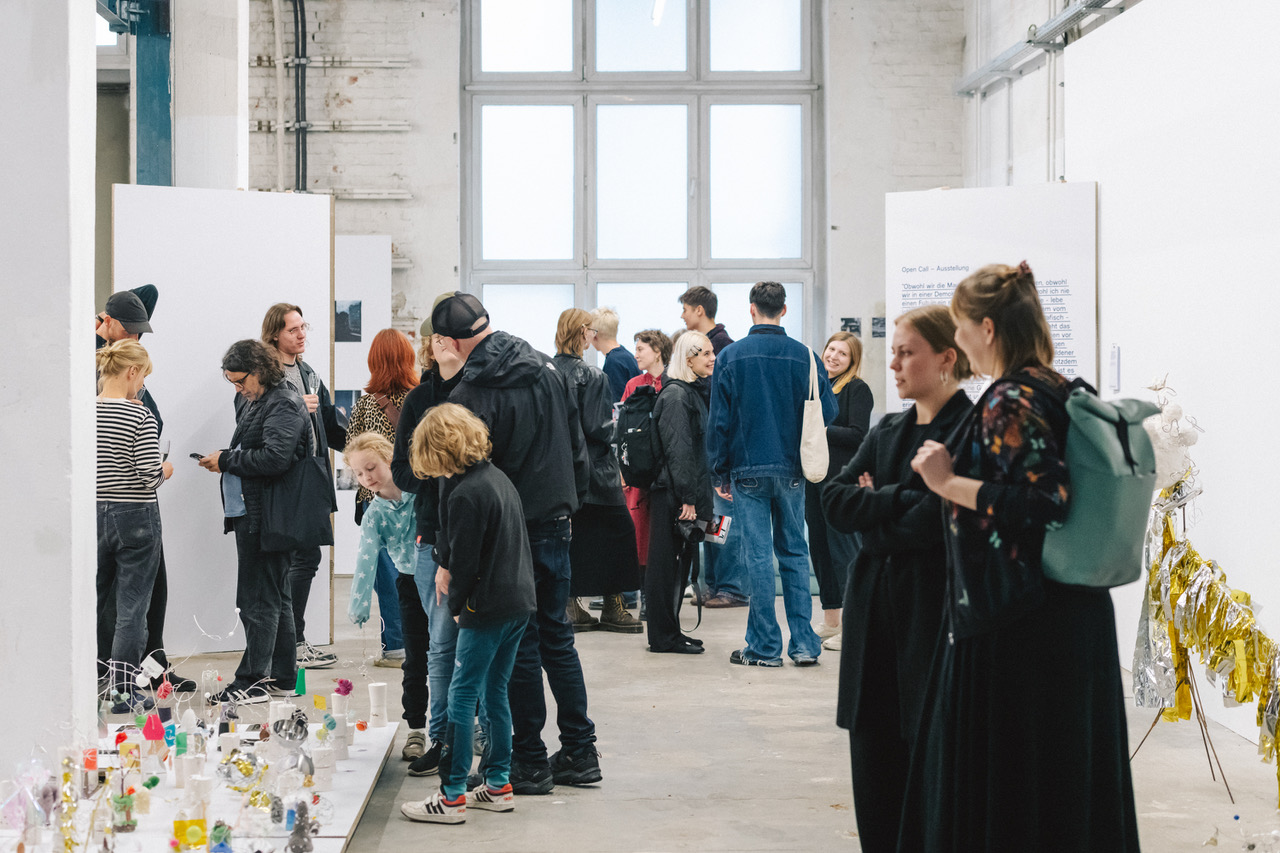
As the largest municipal museum network in Saxony, the Kunstsammlungen Chemnitz – Chemnitz Art Collections – not only serve as a model, but also as an example to follow. They aim to strengthen their role as a regionally rooted, forward-looking museum network. The focus is on building a shared culture of knowledge together with the independent arts scene and other partners – as a response to social polarization, digital upheavals, and the desire for participation beyond traditional exhibition practices.
This involves questioning the usual ways of doing things: how spaces and materials are used, and how responsibility and hierarchies are distributed. In this way, the museum is being reinforced as a socially and democratically engaged place for audiences of tomorrow and beyond.
Contact
Stadt
bibliothek
Stuttgart

About us
The Project
StoryLab – A Space for Literary and Technical Fusion
How can the library become a space of possibility for the city’s community? The Stadtbibliothek Stuttgart – the Stuttgart City Library – aims to explore this question within the framework of the programme, together with experts and partner institutions. The plan is to create a StoryLab – a space where technology meets artistic and literary approaches: for example, through AI-supported writing and video workshops, or by producing 3D objects of literary characters. The aim is to enable new forms of participation and to actively involve civil society in technological developments. To achieve this requires expertise, time and exchange: concerning technical equipment, the design of the space, the development of a viable access model and networking with potential partners. The first step, therefore, is to gather creative ideas and develop a concept that will make the StoryLab a vibrant place for innovation and social dialogue.
Contact
Stadt
bibliothek
Mannheim
About us
The Project
Future Library – Ideas, Exchange, Transformation
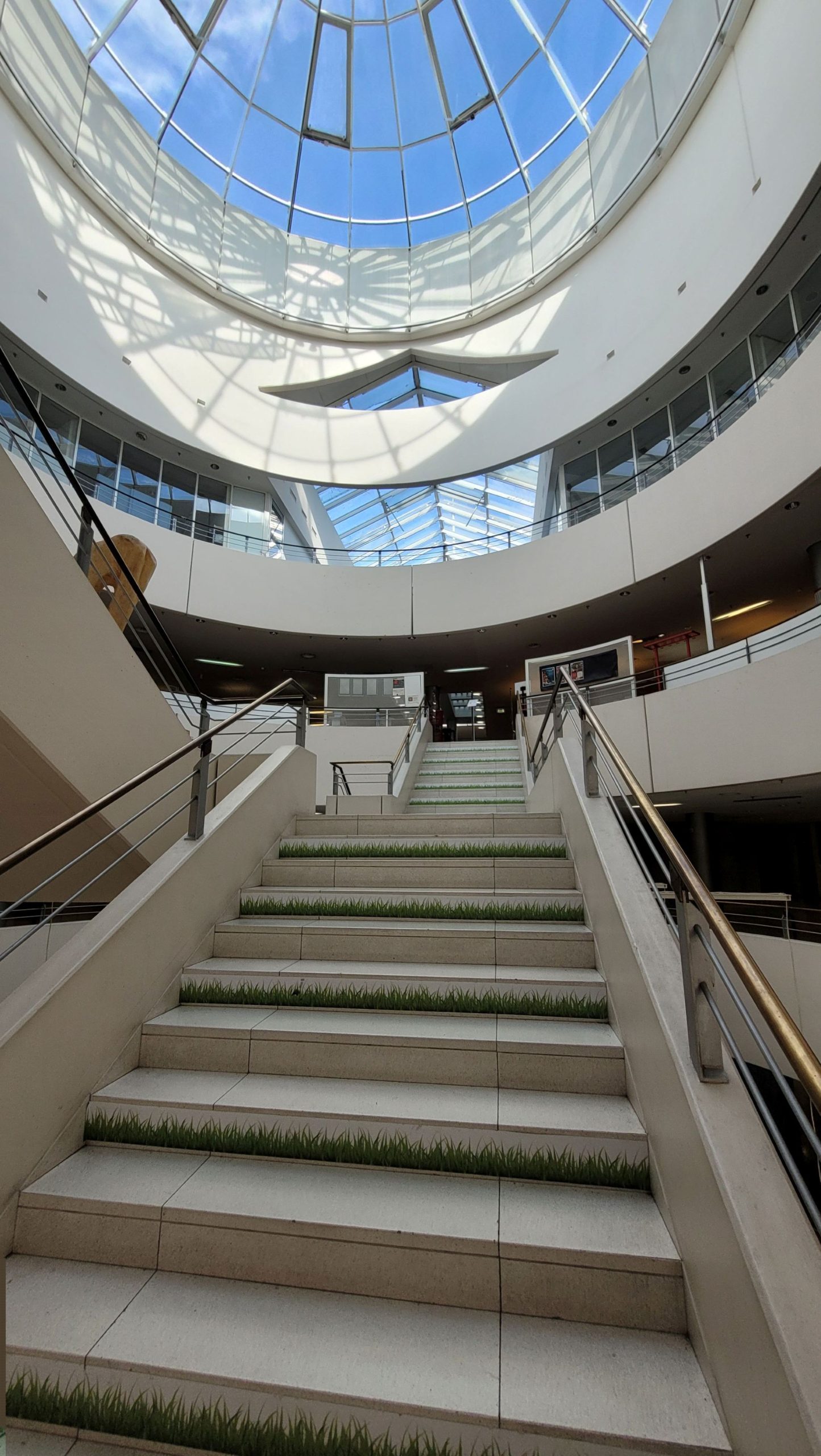
How can the setback of a cancelled new-build project be turned into a productive perspective for the future? The Stadtbibliothek Mannheim – the Mannheim City Library – sees in it the opportunity to launch a much-needed innovation process, together with staff, the city administration, the municipal council, partner institutions and local residents. At the centre is the development of future-proof service formats, new working and organisational structures, and sustainable forms of participation that respond to the needs of a diverse urban society. In this way, change is actively shaped – moving towards a library as a vibrant cultural and social meeting place with renewed visibility.
Contact
Amt für
Kultur und
Weiter
bildung Kiel
About us
The Project
The Cultural Post Office – A Place for Social Exchange
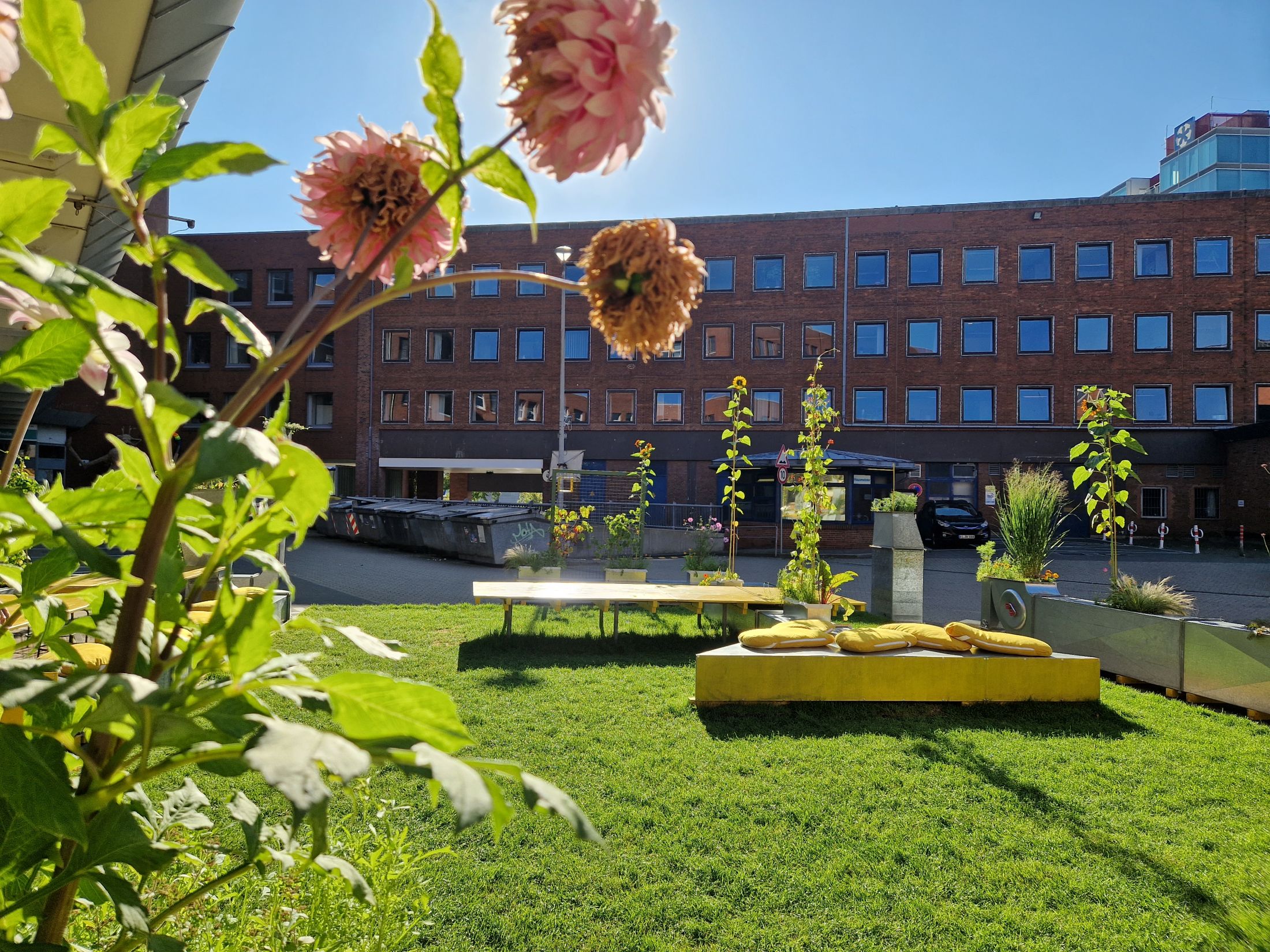
Five cultural institutions under one roof – that is the situation in the Neues Rathaus in Kiel. As part of its initiative, the Amt für Kultur und Weiterbildung – the municipal Office for Culture and Continuing Education – now aims to further develop the building as an open, inclusive Third Place, together with the people of the city.
The focus lies on the needs of users, the physical opening up of the building, and closer, more collaborative cooperation between the institutions themselves as well as with the independent scene. Existing structures – from barrier-free access to free offers – provide a strong foundation. The next step is to devise strategies for breaking down boundaries between the different areas – both architecturally and in programming – and to explore new spaces for encounter.
Contact
Fach
bereich
Kultur
der Stadt
Halle
About us
The Project
KUBUS. Cultural Education for All. (working title)
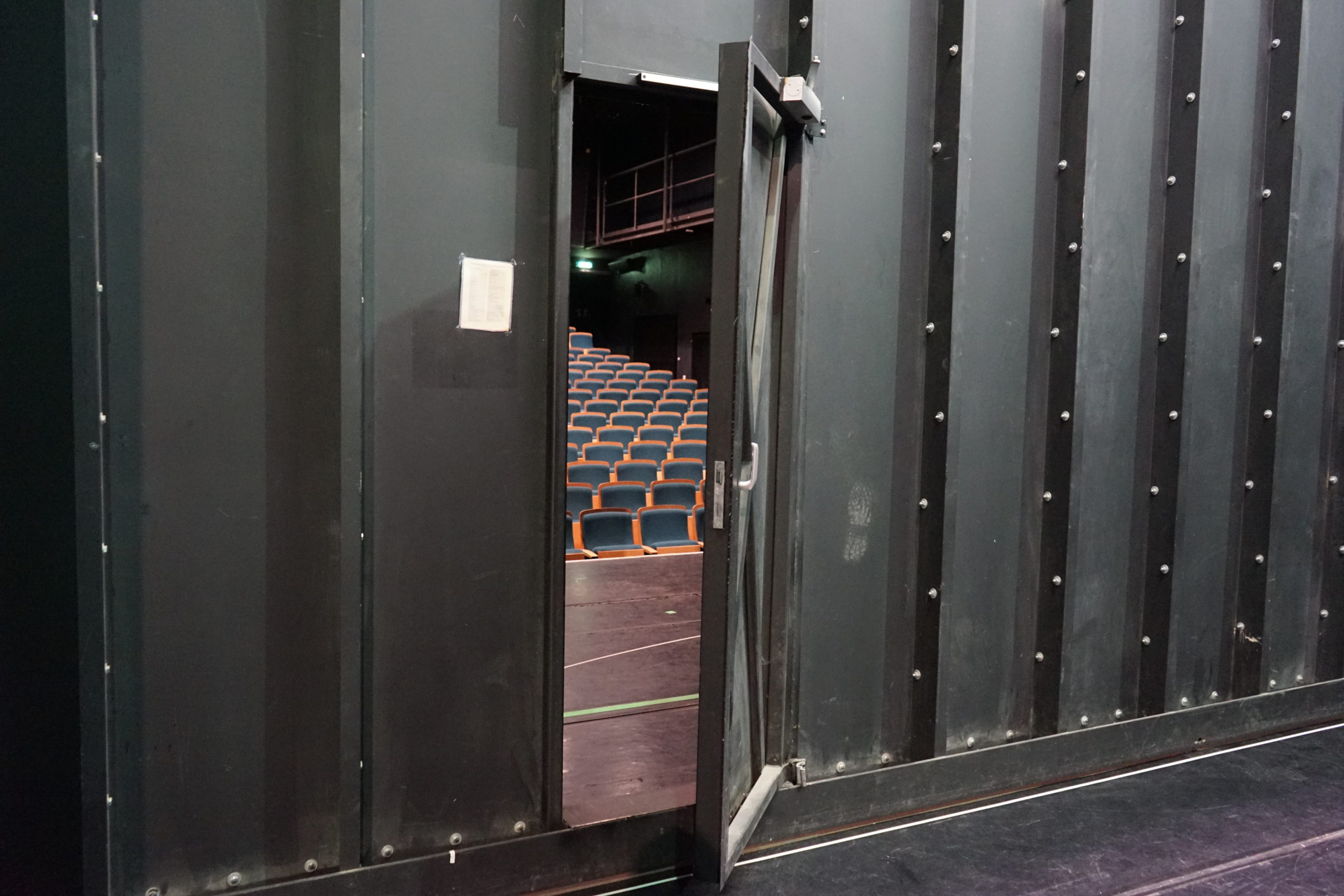
The former children’s and youth theatre is owned by the City of Halle (Saale), which maintains and operates it as a cultural venue. Today it is used by the independent scene, the municipal theatre, festivals, schools, and numerous other stakeholders. The aim of the project is to restructure collaboration among the partners involved and to lead the venue into the future: an open house that serves as a catalyst for productive work and experimentation with new formats – both internationally and locally.
A vibrant place for cultural education, mediation and participation – in particular as a space of learning and experience for children and young people. Collaborations are being reimagined, independence strengthened, and potential unlocked – a living space of experience for today, tomorrow and beyond.
Contact
Referat
Kultur
der Stadt
Kaisers
lautern

About us
The Project
“Healing Culture” – Art and Culture on Prescription
How can art heal – and what role might cultural institutions play in this in the future? Within the framework of the programme, the Department of Culture of the City of Kaiserslautern aims to lay the groundwork for a pioneering initiative: developing a model in which doctors prescribe cultural participation. To make this possible, a feasibility study will be carried out to connect medical and cultural institutions, establish supportive structures, and examine the effectiveness of this approach through scientific research. In the process, new partnerships will emerge, perspectives will shift, and awareness of culture as a health-relevant public good will grow stronger.
The vision: to anchor culture as an integral part of prevention, therapy, and social wellbeing.
Contact
Stadt
bücherei
Frankfurt
am Main
About us
The Project
Meeting Point Future – The Role of Neighbourhood Libraries in a Changing City
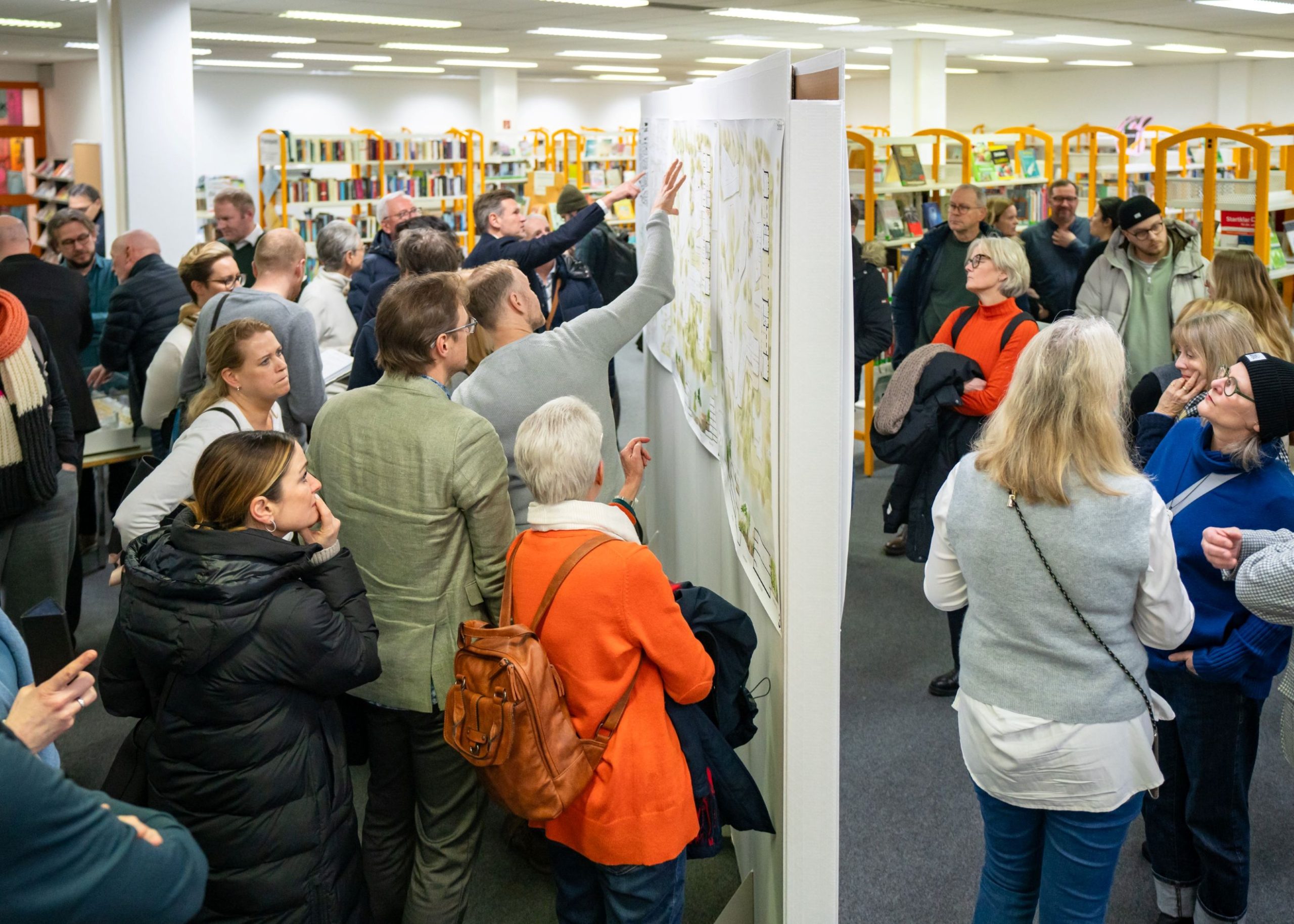
How can neighbourhood libraries in the city of the future continue to position themselves as key players – right at the heart of the community, close to the people? The 16 neighbourhood libraries and the mobile library service of Frankfurt’s City Library define themselves as open spaces. They stand for educational equity and equal opportunities, for digital and cultural participation, and for freedom of information. They are far more than places to borrow books: they are spaces of encounter and dialogue. In many districts – especially where cultural infrastructure is lacking – they serve as a strong anchor for community life. But how can these libraries maintain and further develop their role within the neighbourhoods? In a growing city, they must adapt precisely to the changing needs of diverse communities, take on new responsibilities, and create room for innovation. At the same time, they remain committed to the core identity of the City Library. Existing approaches – such as responding to changes in the media landscape and evolving user behaviour – provide an important foundation. In the next phase, these will be further refined, with the aim of striking a new balance between shared identity and local diversity: neighbourhood libraries as strong, interconnected actors in Frankfurt’s urban fabric – each with its own distinctive character, yet working in close collaboration.
Contact
Dr. Sabine Homilius
Stadt
bibliothek
Rostock

About us
The Project
Beacon 42 – A Guide to Übermorgen
How can a city library reposition itself in times of rapid social and technological change – and what does it need in terms of space, content, and structure to remain relevant as a “third place”? Rostock’s City Library is preparing for a planned relocation and is using this as an opportunity for a fundamental realignment. Its current premises no longer meet the requirements of modern library work nor the needs of its users. As part of the programme, future-proof concepts for use are being developed, and questions regarding target audiences, services, and societal relevance are being reconsidered. The aim is to reimagine the library as a central hub for encounter, learning, and participation – open, welcoming, and forward-looking.