Institution Category: Institution
Theater
Thikwa e.V.
About us
The Project
FairChange Thikwa
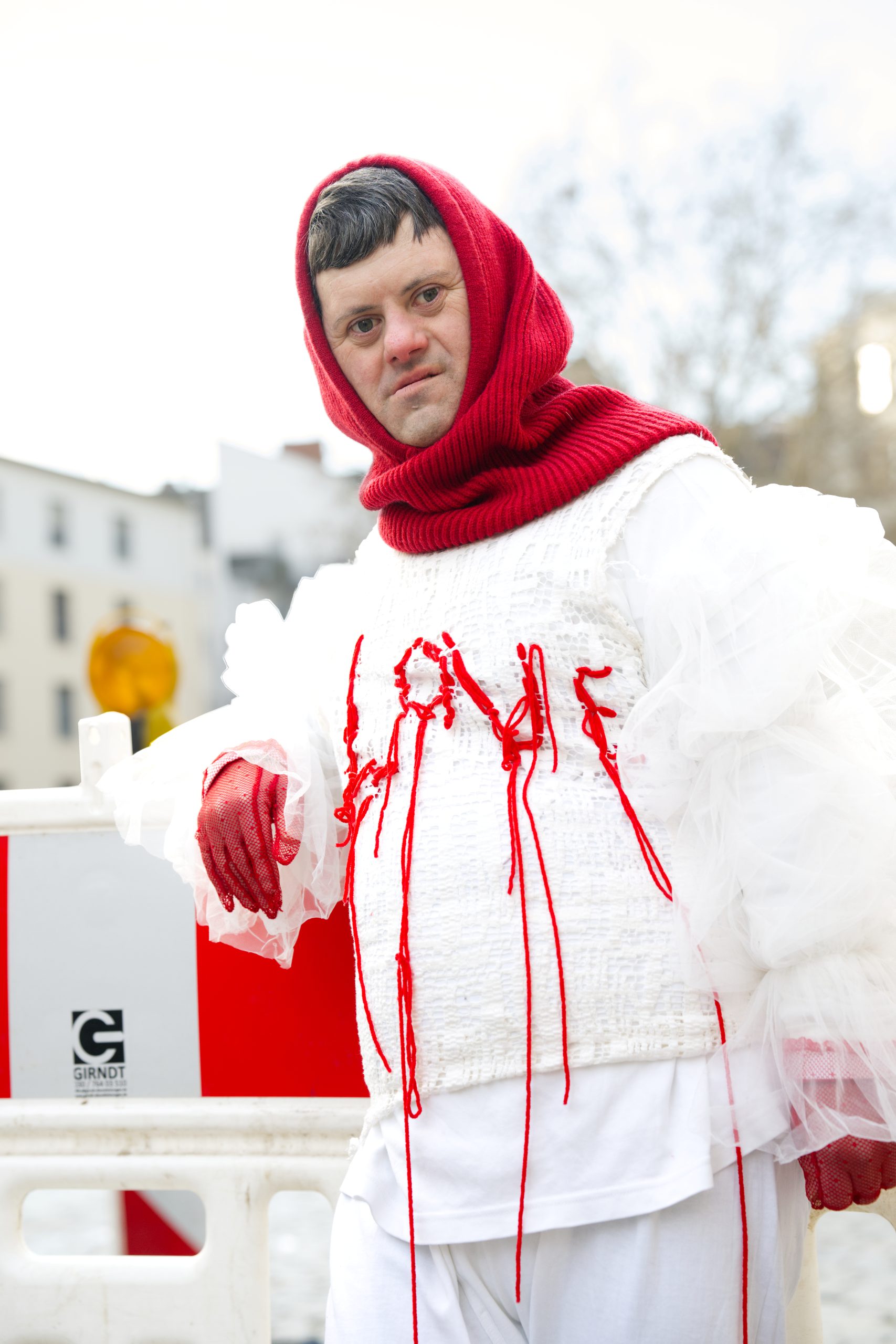
Theater Thikwa faces the urgent task of creating long-term perspectives for its artists with disabilities – beyond systemic limitations. Current conditions, such as the workshop model or unclear funding prospects, make fair pay, participation, and individual development difficult. At the heart of the project lies the question: How can artistic work and fair compensation for disabled artists be shaped in a needs-based and sustainable way? Building on an initial assessment, two pilot projects will be developed – one aimed at advancing the workshop model with greater flexibility and access to the regular labor market, the other focused on testing an alternative cooperation model with new partners. The goal is to find new ways for talents from inclusive contexts to contribute effectively to municipal and state theaters, the independent arts scene, and educational work – supported by structures that are open and permeable.
Contact
Theater
Bremen
About us
Project
Be involved – Your Theater of the Future
What happens when a theater opens itself up to the city – not just as a stage, but as a space for shared creation?
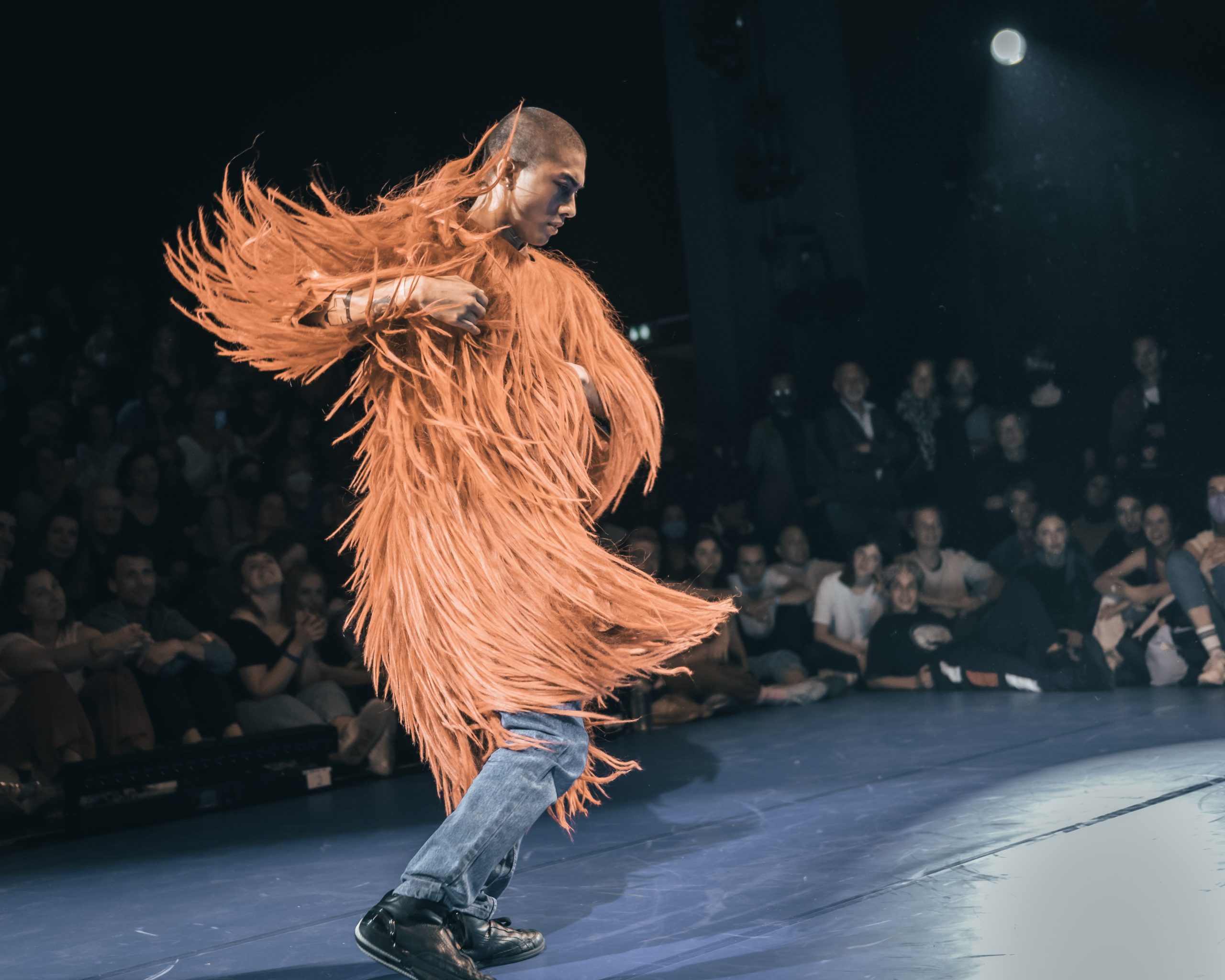
Theater Bremen is reimagining the institution beyond the bounds of professional productions – as a participatory space for shaping urban society. Building on its wide-ranging experience with participatory projects and networks across different neighborhoods, the theater aims to transform temporary formats of civic involvement into lasting structures.
The key question is: How can a theater open up its artistic, technical, and spatial resources to everyone? How can co-determination – through citizens’ advisory boards or collaborative programming, for instance – be firmly embedded in the institution?
The ultimate goal is to create a model for a theater that doesn’t just welcome people in, but actively involves them – as equals, in meaningful and lasting ways.
Contact
Puppen
theater
Magde
burg
About us
Project
Future p. – Tradition Meets Innovation in the Age of AI
How can traditional puppet theater gain new relevance through the use of modern technology – for younger audiences, for the city, for the future?
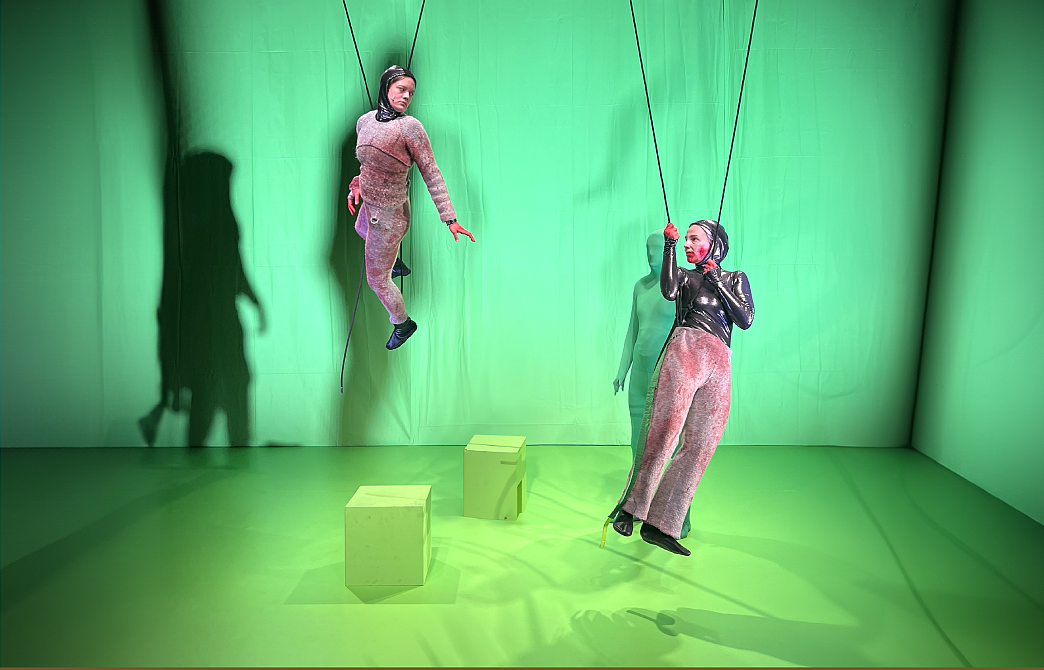
Puppentheater Magdeburg and the Industrial Design Department at Magdeburg-Stendal University are joining forces to explore new directions. At the heart of the project is an interdisciplinary fusion of art, craftsmanship, and technology: using 3D printing, robotics, and digital media to innovate puppet-making, reimagine the theater experience, and present the puppet collection in new and engaging ways. But this is about more than just technological advancement. It’s about developing new forms of cultural education – especially for children and young people. Together with students and experts from various fields, the project is creating a model for how cultural institutions can become an integral part of a digital, connected, and sustainable urban society.
Contact
Konzert
haus
Berlin
About us
The Project
Konzerthaus nextdoor
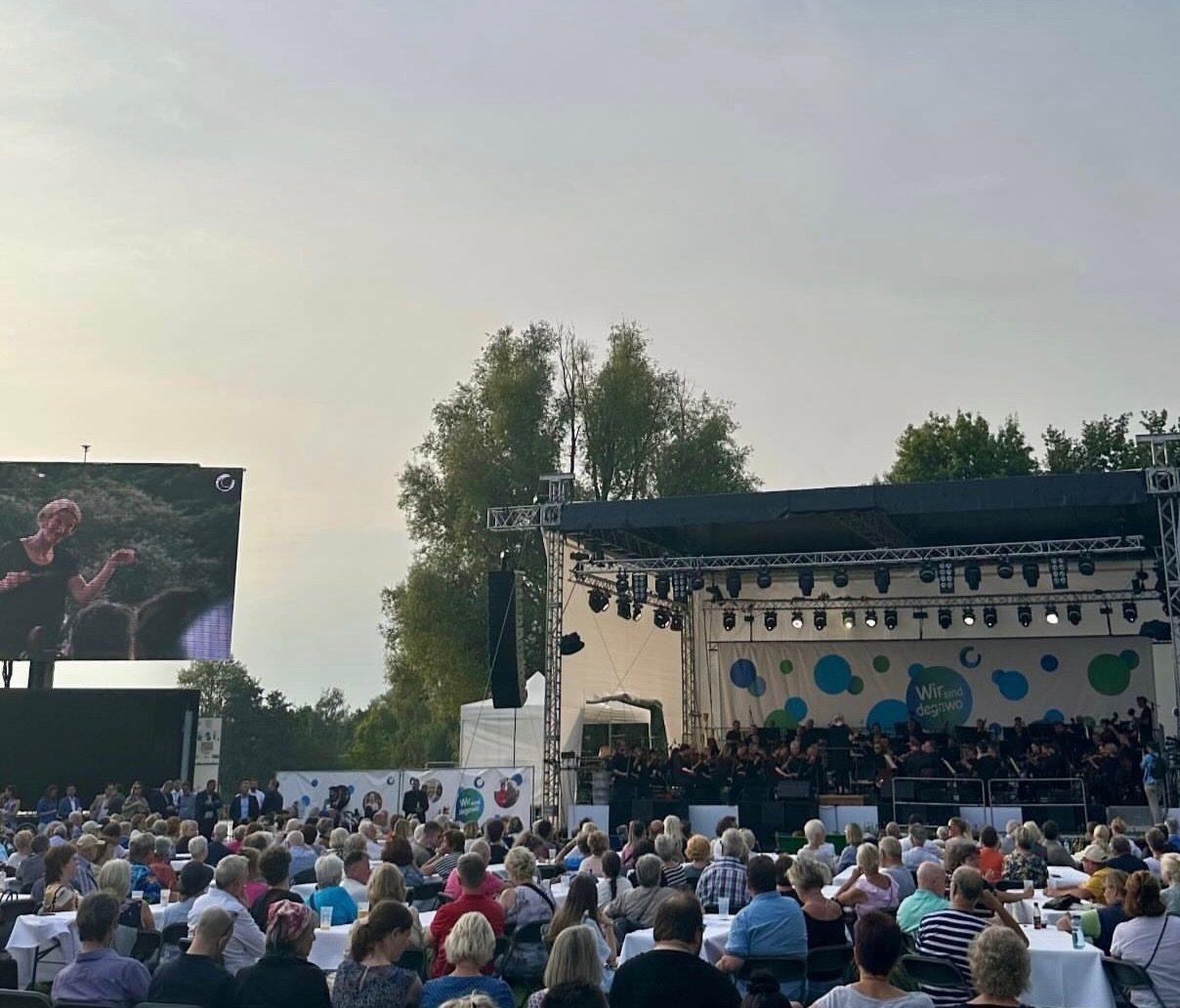
The Konzerthaus Berlin is embarking on a new chapter – reaching out into the city not merely through another dialogue format, but through a profound shift towards a new institutional identity. The aim is not only to affirm its place as a central and open concert hall on the Gendarmenmarkt, but also to engage meaningfully in lasting collaborations within Berlin’s urban life, taking in impulses from local neighbourhoods, diverse musical cultures, and the lived realities of the city. How can a concert hall build truly productive relationships with such a diverse urban society? Not as a one-way initiator, but in the spirit of genuine, mutual learning. To pursue this question, the Konzerthaus will initiate its first partnerships in various districts – designed to be long-term, built on equal footing, and shaped by local needs and potentials. In this way, decentralised presences will complement the opening of the house – enabling continuous transformation, both internally and externally, in step with the city’s dynamic rhythms.
Contact
Stiftung
Neue
Synagoge
Berlin
About us
The Project
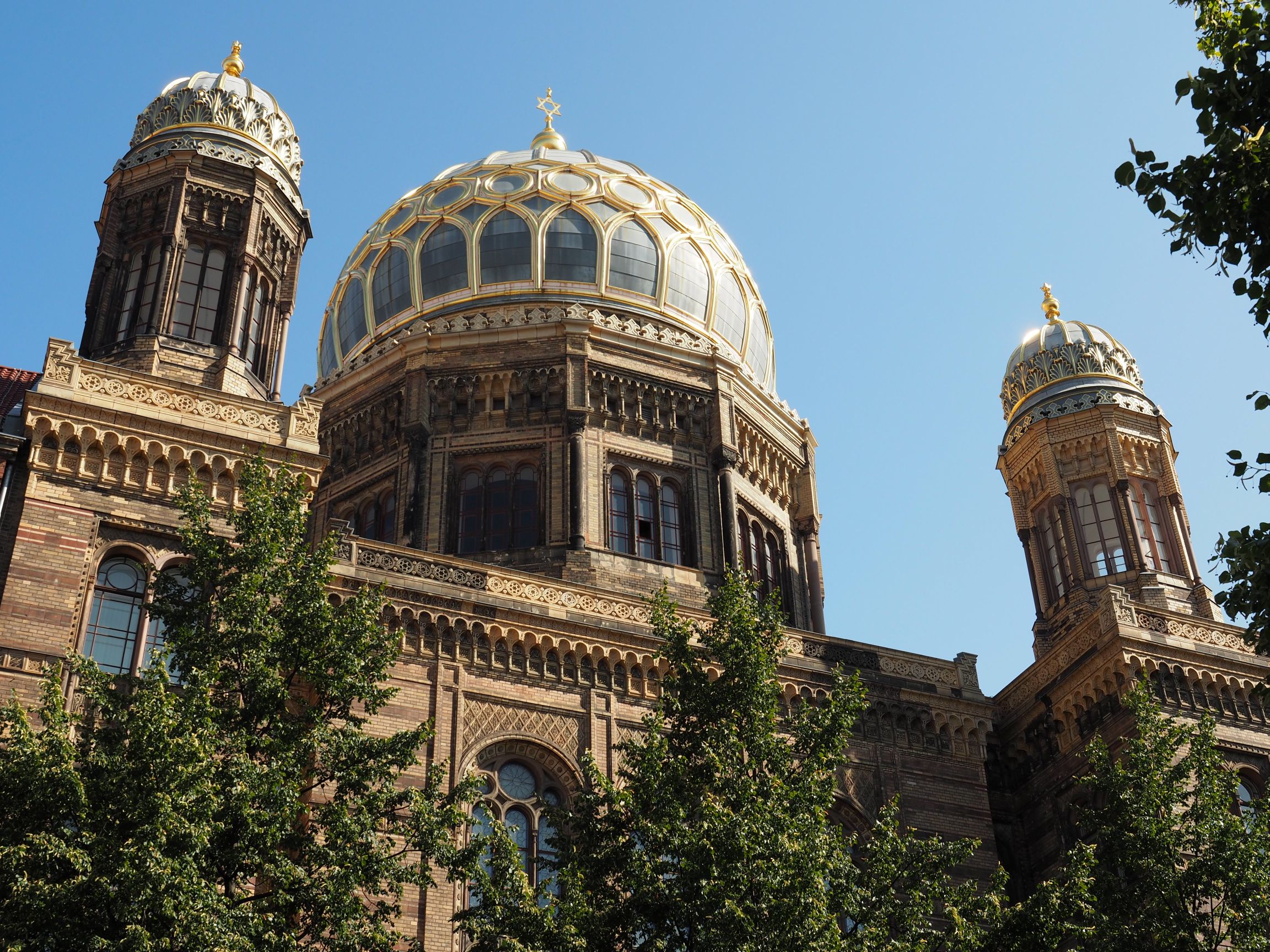
New Synagogue – New Paths
How can a site of remembrance become an active space for dialogue and participation in today’s complex world? The Stiftung Neue Synagoge Berlin – Centrum Judaicum is seeking to further develop its role as a cultural and educational institution – with creativity, experimentation and a forward-looking spirit. Positioned between the demands of the digital age, the need for broader audience engagement and a strong sense of social responsibility, the foundation is exploring new ways of responding actively to change. In an environment often shaped by competition for resources, the programme now creates space for open exchange – across disciplines, institutions and borders. Dialogue with colleagues and experts will support a rethinking of existing strategies and open up fresh perspectives. The goal is to develop innovative formats that enable genuine participation – and to strengthen the foundation in the long term as an open, learning space for remembrance and culture.
Contact
Kultur
zentrum
dasHaus
About us
The Project
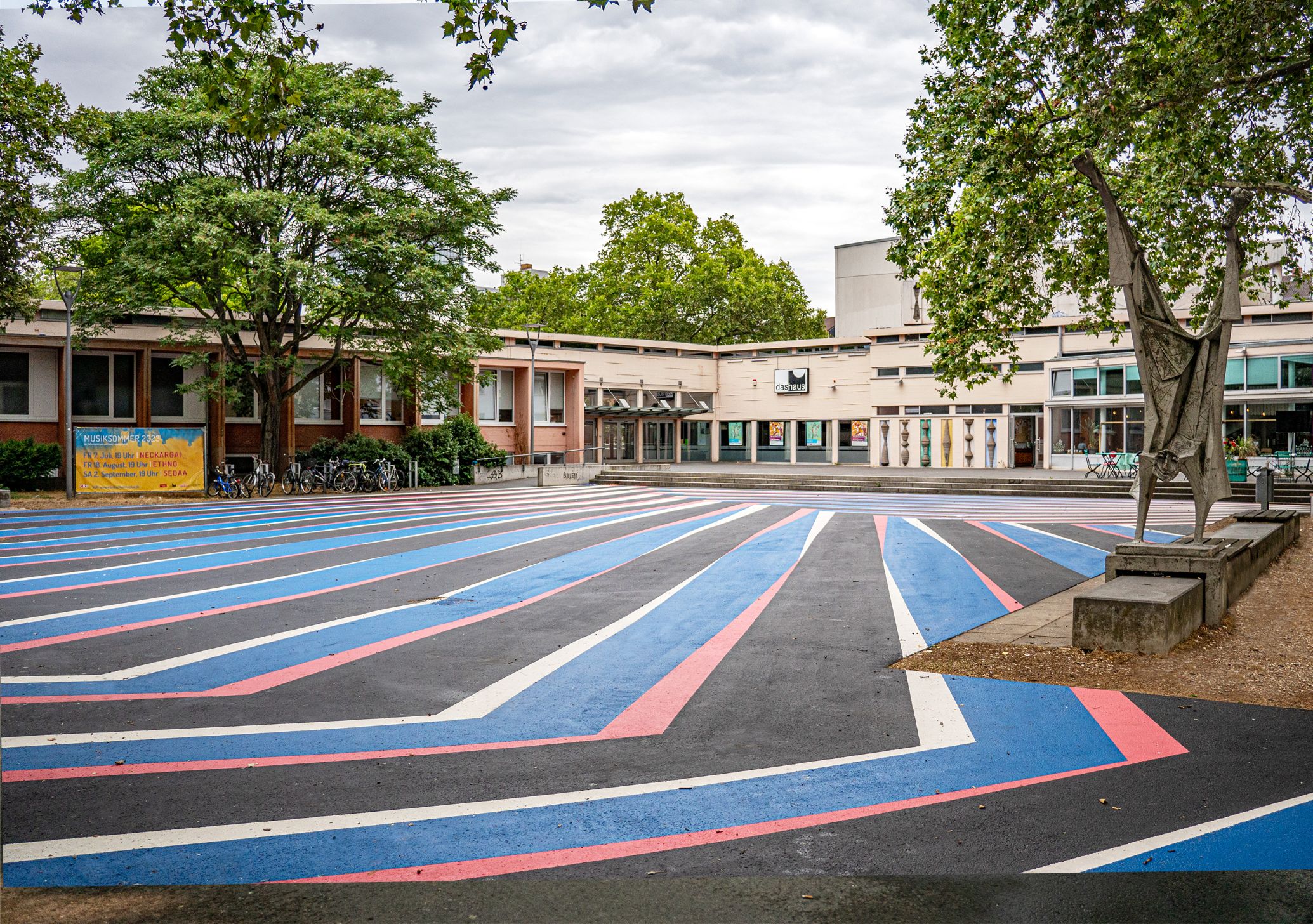
The Most Beautiful Ugliest City in the World
How can municipal cultural institutions become drivers of social renewal in times of multiple crises? The cultural center dasHaus in Ludwigshafen sees both the opportunity – and the necessity – to fundamentally rethink its structures right now. The aim is closer, cross-departmental collaboration and a more efficient use of human, material, and intellectual resources. At the same time, the connection to the urban community is to be strengthened through innovative participation formats that highlight Ludwigshafen’s unique character – also as a model for the region. New partnerships with businesses and the sciences will play a central role: not as sponsorships, but as exchanges on equal footing. The core question is: What can we learn from each other in order to keep moving forward together?
Contact
Stefanie Kleinsorge
Kunst
sammlungen
Chemnitz
About us
The Project
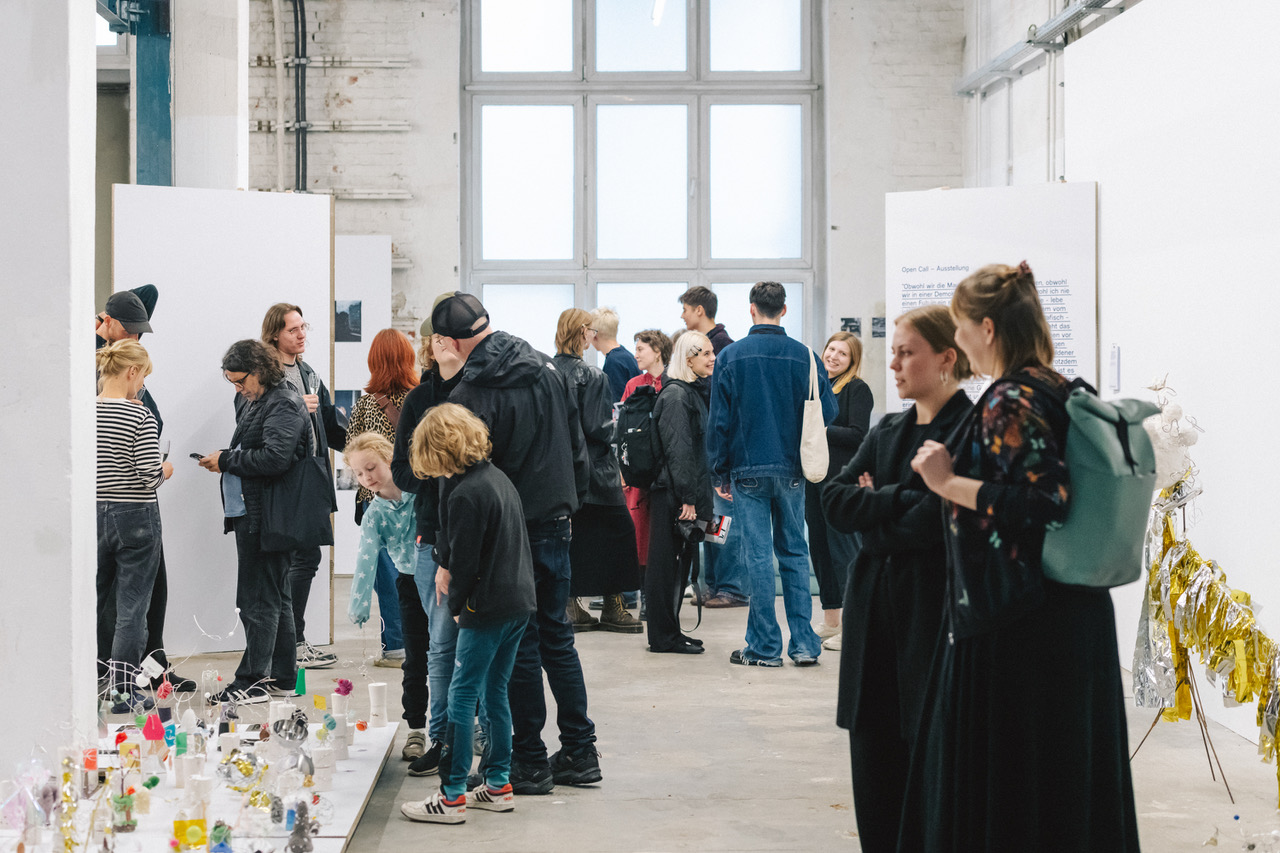
Freedom(space) Utopia: New Cultural Spaces for Tomorrow (working title)
As the largest municipal museum network in Saxony, the Kunstsammlungen Chemnitz – Chemnitz Art Collections – not only serve as a model, but also as an example to follow. They aim to strengthen their role as a regionally rooted, forward-looking museum network. The focus is on building a shared culture of knowledge together with the independent arts scene and other partners – as a response to social polarization, digital upheavals, and the desire for participation beyond traditional exhibition practices.
This involves questioning the usual ways of doing things: how spaces and materials are used, and how responsibility and hierarchies are distributed. In this way, the museum is being reinforced as a socially and democratically engaged place for audiences of tomorrow and beyond.
Contact
Neuköllner
Oper
About us
The Project
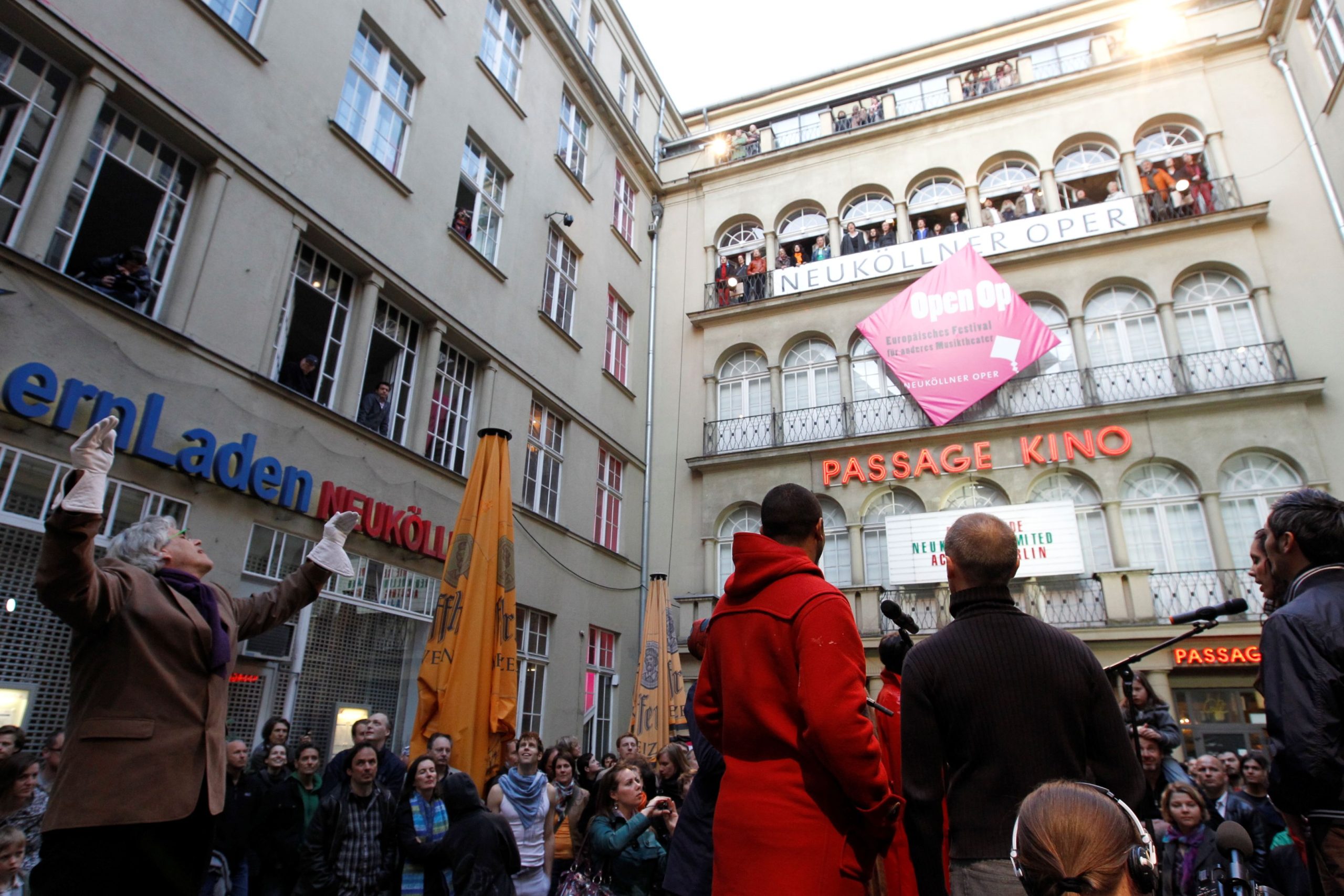
Opera for Neukölln
How can a music theatre become a place where people from the neighbourhood truly see themselves reflected? The Neuköllner Oper wants to tackle this question head-on and answer it together with local communities. Early collaborations with schools, neighbourhood initiatives, and cultural organisations were important steps but have not yet led to lasting change for the house. The programme now provides the space to engage openly and with time: with convenience stores, gyms, cultural associations, cafés – with everyone who shapes Neukölln. This will allow initial forms of collaboration to grow organically from within, rather than being imposed from outside – showing that this house belongs to everyone. Together, needs will be explored, first partnerships tested, and new ways of working developed. The aim is an opening that is not merely symbolic, but that transforms the house in its structure, programme, and connection to the district over the long term.
Contact
Deutsches
Hygiene-
Museum
Dresden

About us
The Project
Opening Time: The DHMD in Transformation
Faced with social polarization and financial uncertainty, the Deutsches Hygiene-Museum Dresden is using the challenges of our time as a stimulus for profound change. With a long-term strategy, the museum aims to evolve from a purely curatorially-focused institution into a space that increasingly prioritises participation and diversity. To achieve this, opening processes will be structurally embedded, and sustainable alliances with the city’s community and national partners will be built. In this way, the museum is transforming into a multi-voiced forum for social dialogue – open, accessible, and future-oriented.
Contact
Stadt
theater
Fürth
About us
The Project
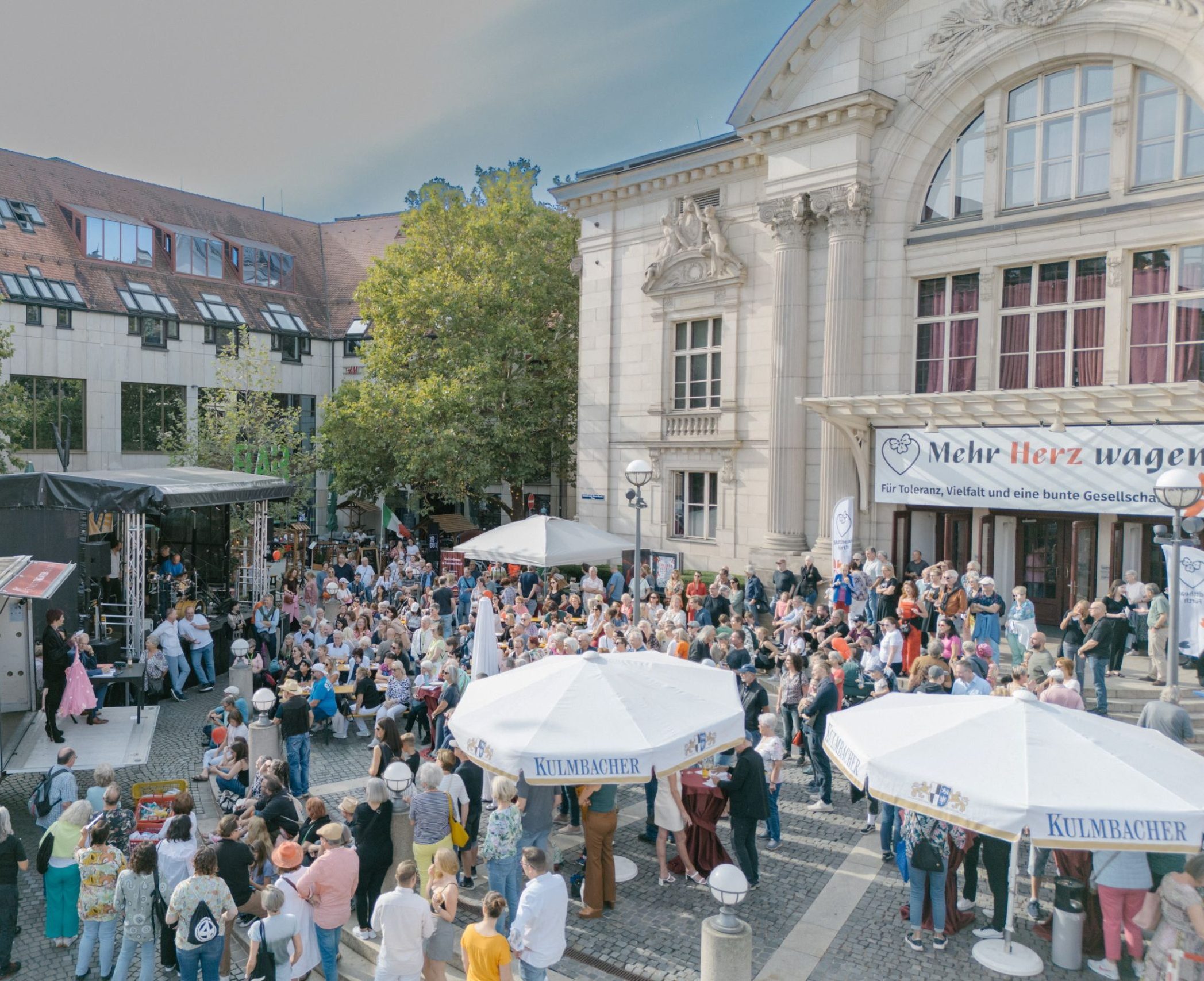
Stadt Theater Plus – Sustainable Structures for Continuing Performance
The Stadttheater Fürth is developing a new model for mobilising and distributing theatre productions as a fourth pillar of the house, a “Stadttheater Plus Land.” The plan includes building a network of theatres, especially touring venues, that can benefit from this structure and actively participate – along with the infrastructure and logistics needed to enable touring productions from Stadttheater Fürth. The focus is on the efficient use of existing resources, supporting theatre offerings in rural and regional areas, and improving working conditions for visiting artists. The project is also guided by a research-based motivation: the director brings her extensive study of touring theatre into practice, aiming to establish a new form of cooperative, mobile city theatre that strengthens cultural participation in a sustainable way.