Institution Category: Consortium
Tanzfabrik
Berlin e. V.
About us
The Project
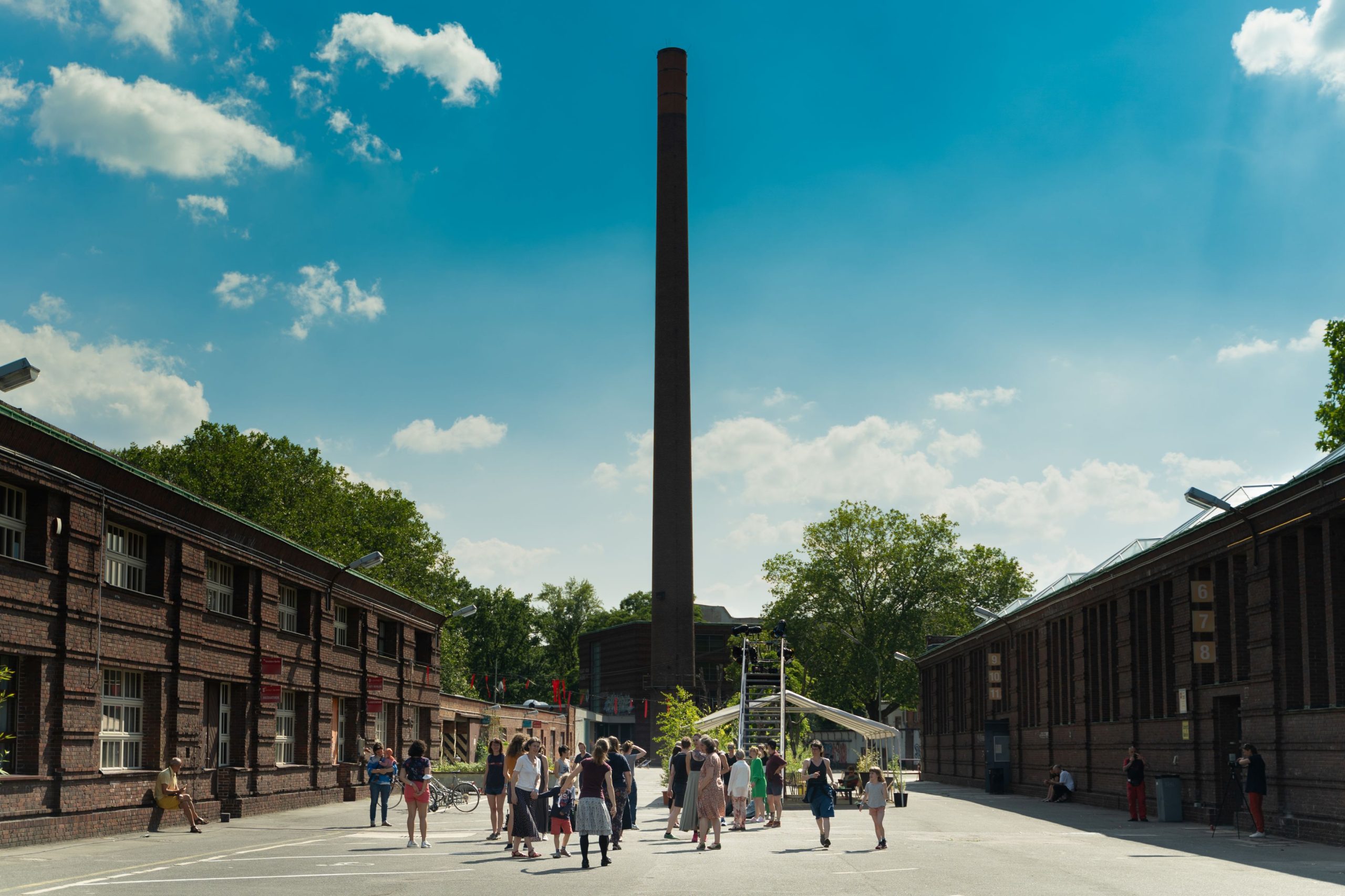
Uferstudios 2208
The collective rehearsal and performance space Uferstudios is at a turning point. The desire for a sustainable organisational structure has long been present, but the intensity of day-to-day operations has so far left little room for strategic reflection and long-term planning. The current orientation phase aims to open exactly this space. At the core is engagement with upcoming changes, internal guiding questions, and the expectations of external partners. This is not just about structural stability, but about an open, pluralistic transformation that also allows for the unexpected. How can a flexible, decentralised structure respond to change without losing resilience? This question is central to the process, which also considers new legal and organisational forms as well as collaborative models.
Contact
Jacopo Lanteri
Deutsche
Oper am
Rhein

About us
The Project
A New Triad for the Opera House of the Future in Düsseldorf: Opera, Music School, and Music Library
The future alliance of the Deutsche Oper am Rhein, the Music School, and the Music Library in Düsseldorf is unique in its composition – and challenging. Different forms of sponsorship, structures, and working methods come together, as do diverse target groups, programs, and perspectives. All the more important, then, is to create a foundation for collaboration that does not erase these differences but instead uses them as a strength. The initial planning for the new opera house has already been developed jointly – now it is a matter of bringing it to life. To achieve this, viable strategies will be worked out to explore interfaces, responsibilities, and synergies, to sharpen the profiles of each partner, and to formulate shared goals. The aim: an opera house of the future that embraces diverse voices and needs.
Contact
Histori
sches
Museum
Frankfurt
About us
The Project
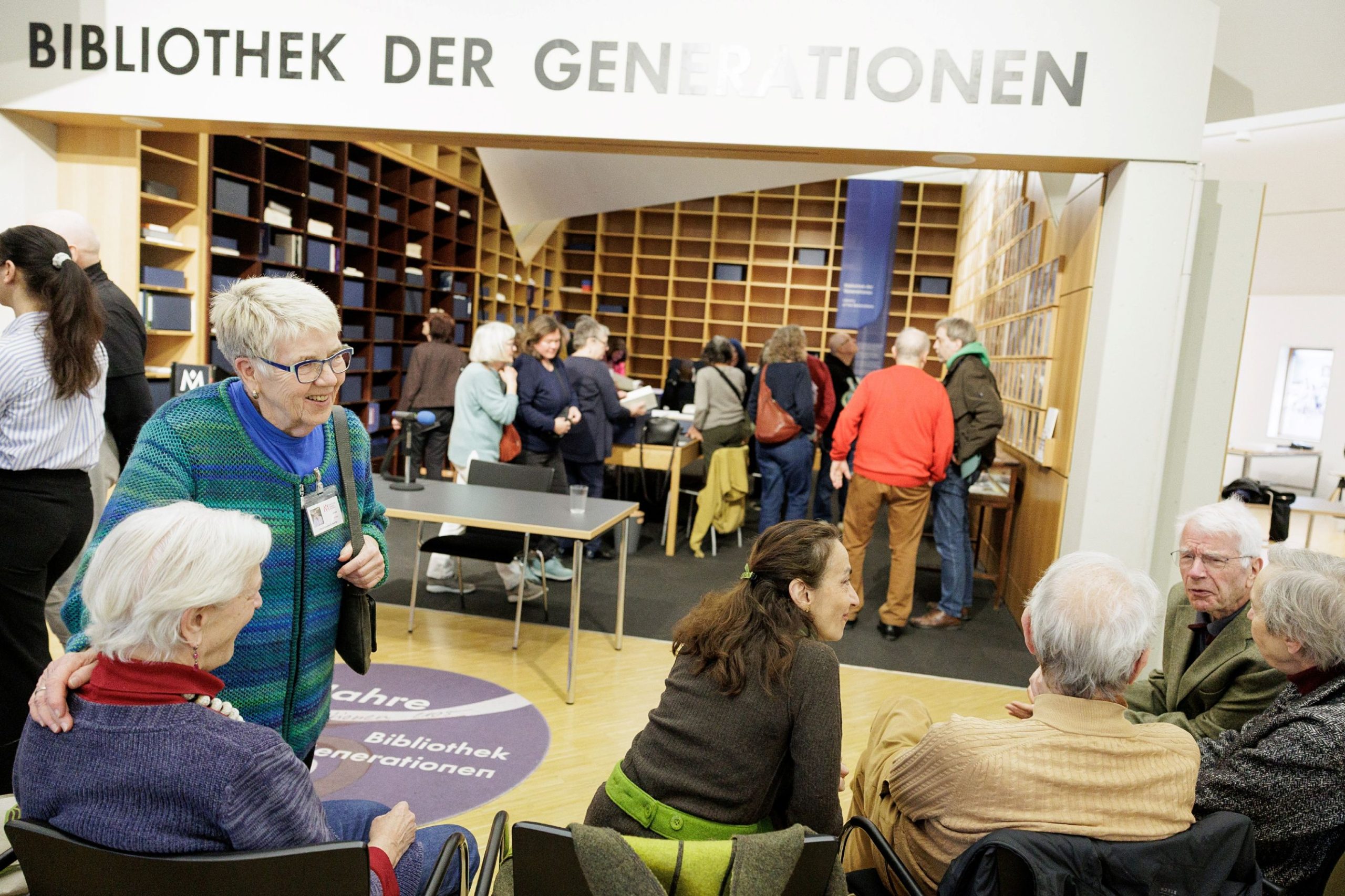
Commoning the Museum: City Museums for a Socially Just Society
How can museums convey a multi-voiced and inclusive historical culture amid the pressures of radical political forces? The Historisches Museum Frankfurt and Stadtmuseum Dresden are embarking on a journey to open museums as spaces for social cohesion, actively engaging audience groups that have previously been underrepresented. This raises the question: what constitutes historical culture – and how can a clear vision of it help to strengthen democratic values such as plurality and inclusion?
Collaborative learning, new forms of cooperation, and the considered use of digital technologies, including artificial intelligence, aim to create new spaces of possibility: for shared decision-making, creation, and exchange – in line with the guiding principle of “commoning the museum.”
Contact
Kunst
gewerbe
museum
About us
The Project
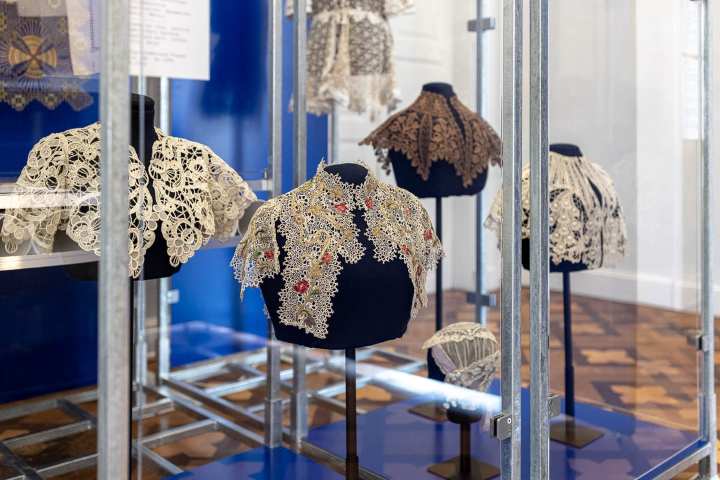
KGM: Not an Ordinary Museum – Creative Design in Action, Mastering Crises Together, …
What role can museums play in fostering social cohesion, and how can they contribute to our communal life? This is the central question addressed by the Kunstgewerbemuseum, part of the Dresden State Art Collections. In cooperation with Forecast – a transdisciplinary innovation platform linking the arts and creative industries with other fields of knowledge – the museum is embarking on a process of conceptual, methodological and spatial reorientation. Its focus lies on social participation and knowledge transfer, questioning existing structures and the traditional museological self-image of preservation and administration, while seeking new neighbourhoods and alliances.
Contact
Tanz
Station –
Barmer
Bahnhof
About us
The Project
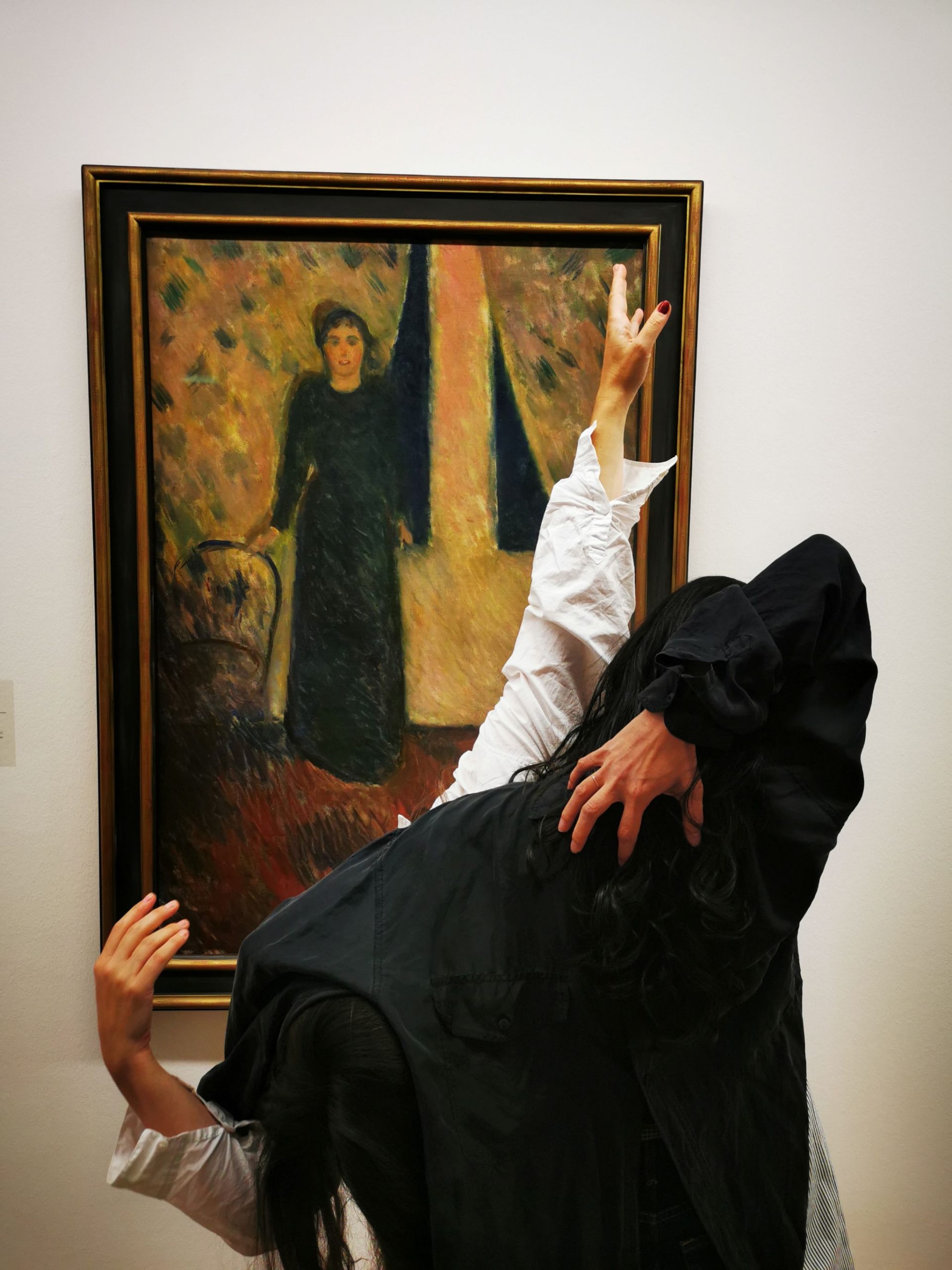
Dare to Trust / Hosts of the Future – or the Art of Hospitality
Dance is part of Wuppertal’s identity – but how can the art form truly be made accessible to all citizens? Tanz Station – Barmer Bahnhof seeks to rethink what a cultural institution can be: open, multi-perspectival, and collectively supported. Together with representatives from the city administration, municipal cultural venues, and the independent scene, Tanz Station aims to develop new forms of participation and collaboration, inspired by diverse cultures of hospitality. In this process, the experiences of cultural actors are shared with Wuppertal’s citizens, and cultural institutions are envisioned as spaces that welcome and connect.
Contact
Temporary
Gallery
About us
The Project
Rethinking Art Associations. Kunstverein Bielefeld, Kunstverein Siegen and the Temporary Gallery on the Way to a New Institutional Model
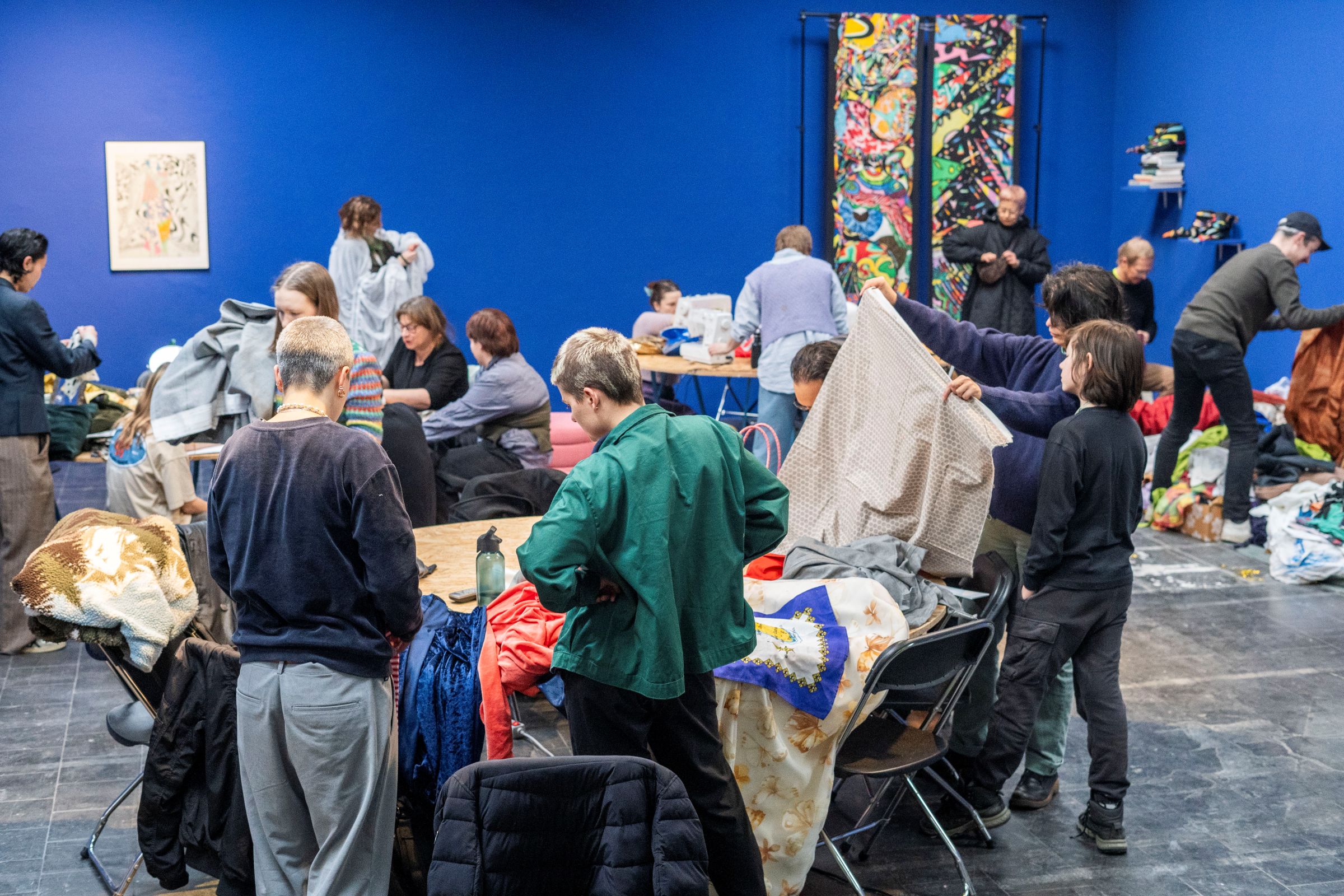
How can an art association act not only ecologically, but also socially sustainably – and place the common good at its centre? The Temporary Gallery in Cologne, together with the Kunstvereine Bielefeld and Siegen, is pursuing precisely this path: moving towards institutions that embrace decentralisation and community, that create spaces for exchange and serve as a resource for many. Within the framework of the programme, the model of the “permacultural institution” – developed by Aneta Rostkowska, Director of the Temporary Gallery – is being further explored, critically examined, and tested as a viable structure for the future of art associations. The model links art with social engagement, fosters flexibility and decentralisation, and places emphasis on sustainable practices. The aim is to deepen cooperation, share knowledge, jointly realise touring exhibitions – and to experiment with alternative, solidarity-based funding models that can give art associations greater independence.
Contact
Theater
Bonn

About us
The Project
share.connect.grow.bonn
How can cultural transformation succeed if institutions do not remain isolated, but instead shape the future together? In Bonn, major and smaller cultural institutions, the independent scene, administration, and politics have joined forces to rethink culture. Faced with limited resources and profound changes – in staffing, structures, and the climate – the programme seeks to identify the needs of all stakeholders, develop a systematic and strategic concept for resource-sharing, and define overarching goals. The upcoming theatre renovation serves as a starting point for creating a sustainable cultural ecosystem: open to innovation, collaborative in practice, and driven by the idea of jointly developing offerings that reflect the needs of the city’s diverse communities.
Contact
Rose Bartmer
Kultur
Quartier
Erfurt
e. V.
About us
The Project
The KulturQuartier of TOMORROW – Shaping the Future Together! Using Resources, Creating Spaces, Strengthening Networks
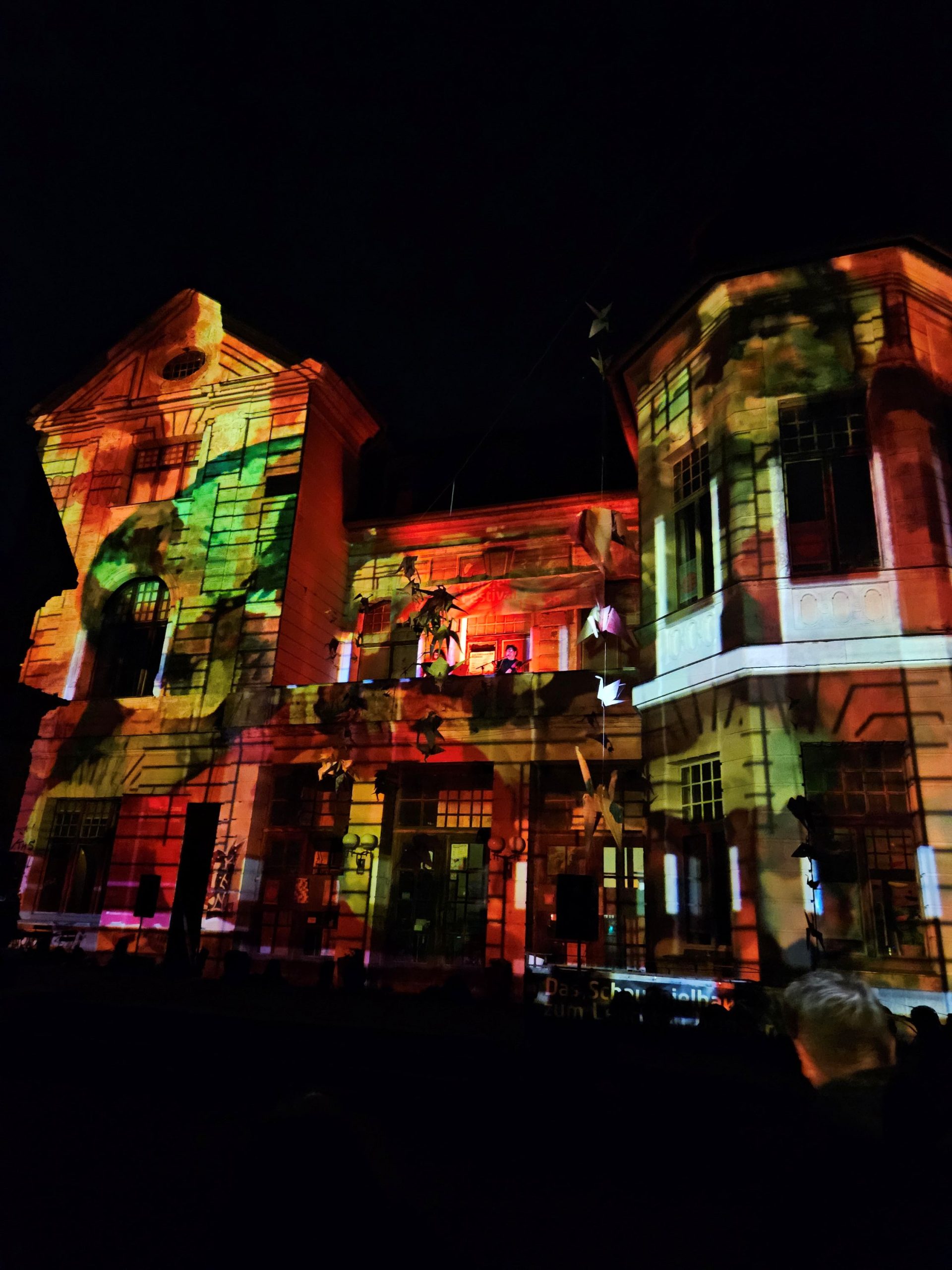
Located in the heart of Erfurt’s city centre, the KulturQuartier Schauspielhaus Erfurt is a civic-led, open space for cultural encounter and collaborative creation. Supported by KulturQuartier Erfurt e. V., together with the cooperative Genossenschaft KulturQuartier Schauspielhaus eG and three partner organisations – Tanztheater Erfurt e. V., Radio F.R.E.I., and KINOKLUB Erfurt e. V. – the initiative focuses on central questions: How can cultural participation help to revive inner-city cultural spaces? How can organisational structures be made more democratic and offerings more accessible? The aim is, among other things, to foster a culture of joint action through low-threshold participation and cooperation formats.